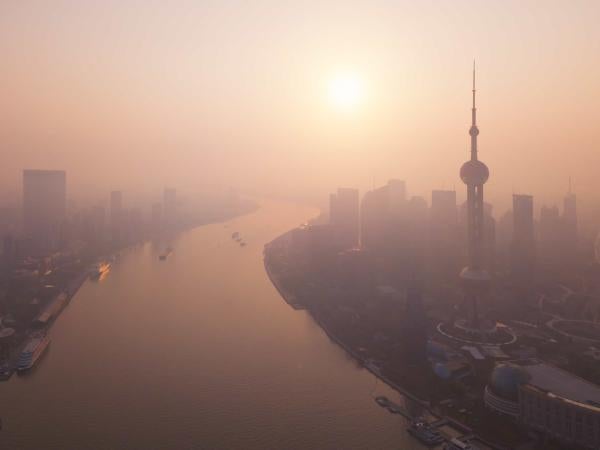
A landmark study by UCSB Bren School faculty Sarah Anderson and Mark Buntaine finds that publicly rating local governments on pollution transparency led to long-term improvements in air quality and regulatory enforcement in China.
Bren wildfire expert Max Moritz challenges California’s proposed vegetation bans, highlighting research that shows how well-maintained plants can help protect homes from wildfire risk.
Bren School's Joan Dudney named 2025 ESA Early Career Fellow for innovative research on climate change, forest ecosystems, and multiple environmental stressors reshaping Western landscapes.
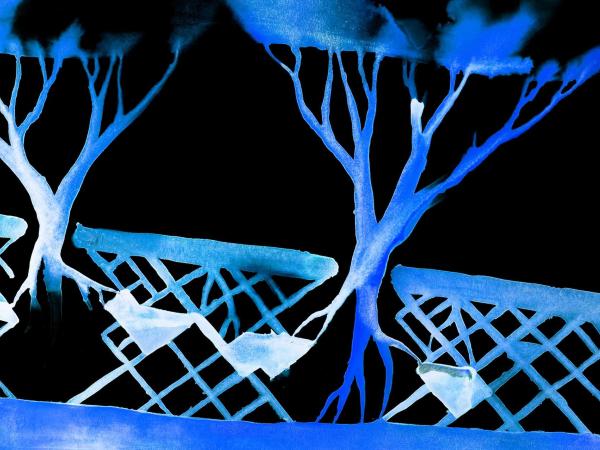
"Tree Water," an installation by artist Ethan Turpin and UCSB environmental scientist Naomi Tague, visualizes hidden water flows beneath forests, challenging conventional scientific models. Part of the WILDLAND exhibition, the piece merges art and eco-hydrology, offering an immersive perspective on climate and water movement.
Discover how AI’s rapid expansion is fueling unprecedented data center growth and energy consumption. Dr. Eric Masanet reveals the challenges—and potential solutions—for sustainable computing.
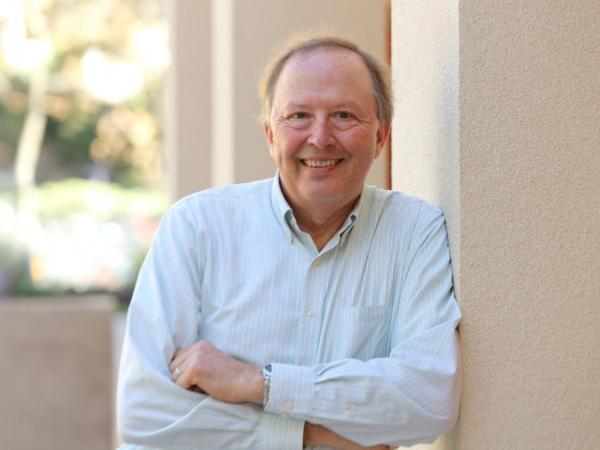
Renowned ecologist David Tilman revolutionized biodiversity science, revealing that more diverse ecosystems thrive and earning the National Medal of Science for his groundbreaking work.
Associate Professor Kyle Meng discusses his year as CEA's Senior Climate Economist, analyzing climate policy for the President and US energy transition.
New research shows global apparel consumption generates over 20 million tons of plastic waste annually, with mismanaged synthetic textiles driving substantial environmental leakage and disproportionate impacts in lower-income countries worldwide.
A new Science study shows a UN treaty using four key policies could cut global plastic pollution 91% by 2050, while also significantly reducing greenhouse gas emissions.
Sean Denny and co-authors studied African Parks’ NGO management, finding it boosts wildlife and tourism, reduces poaching, but in conflict zones may harm civilians, revealing complex conservation trade-offs.
Science traditions evolve unpredictably. New research from UCSB and collaborators explores 14 alternative academic practices, highlighting how inherited norms shape equity, conference culture, and career pathways while inviting the STEM community to re-evaluate assumptions.
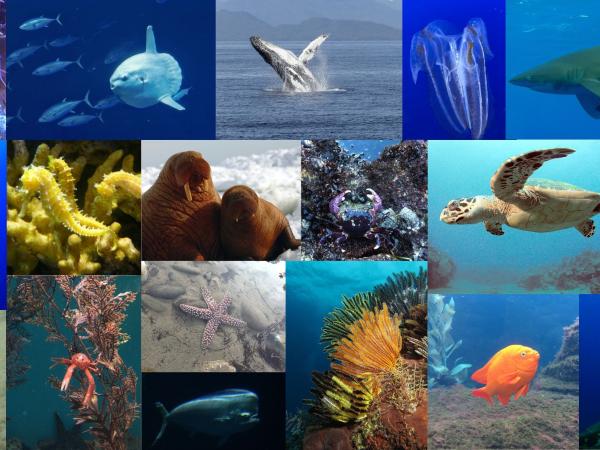
A new study suggests a market-based system for 30x30 ocean conservation, letting nations trade credits to cut costs by up to 98% and make marine protection more achievable.
A new study finds that conservation efforts go beyond national parks, highlighting Indigenous governance, community management, and eco-certified production as key contributors to protecting 30% of Earth’s land and water by 2030.
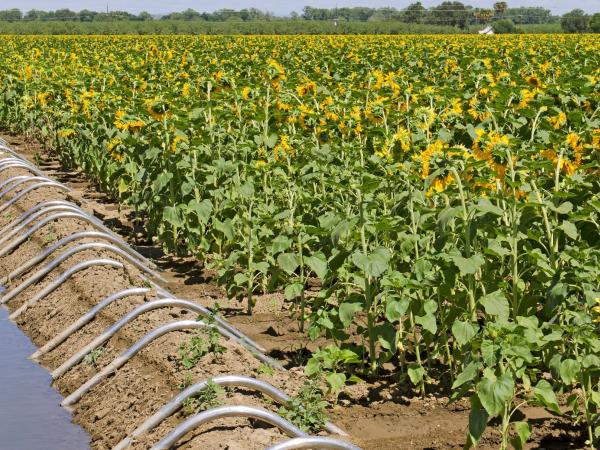
Small changes in farming practices could save as much water as switching crops or fallowing fields. Researchers found that improving irrigation efficiency and adopting better agricultural techniques could significantly reduce water use without drastic land-use changes.