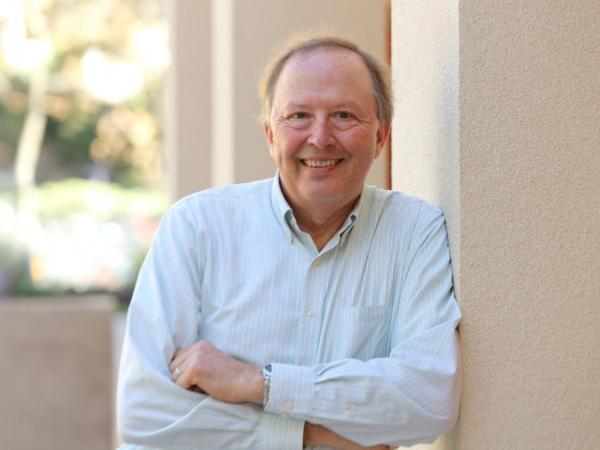
Professor Jim Salzman is elected to ACOEL for pioneering work in environmental law, shaping policies that protect ecosystem services, advance sustainable land management, and modernize permitting for green infrastructure.
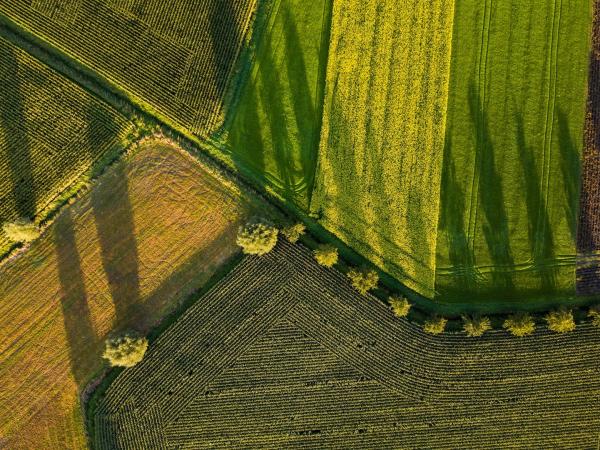
Researchers explored the relationship between organic and conventional farm fields, finding that grouping organic fields together and conventional fields together can eliminate spillover effects that increase pesticide use.
Bren Professor Kyle Meng advised Governor Newsom on California's historic 15-year cap-and-trade extension, calling it "the most important U.S. climate policy for the foreseeable future."
UCSB Bren School professors Roland Geyer, Patricia Holden, Arturo Keller, and Sage Davis featured in PBS documentary examining fast fashion's environmental impact, microplastic pollution, and sustainable textile recycling solutions.
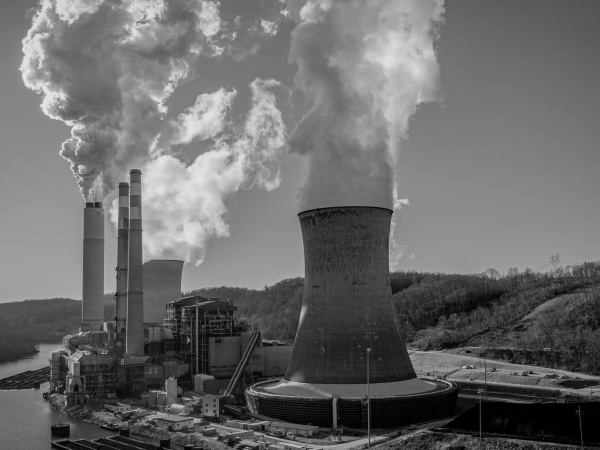
New research outlines a data-driven method to evaluate and retire U.S. coal plants. The study identifies vulnerability patterns, enabling policymakers to plan targeted, efficient coal phaseouts aligned with energy and climate goals.
Bren School's BEL program pairs undergraduate and graduate students for 10-week paid fellowships, fostering mentorship while advancing environmental research from marine conservation to climate solutions and STEM diversity initiatives.
Scientists explain how climate tipping points such as ice loss, coral decline, and rainforest stress interact within Earth’s systems, highlighting both the scientific uncertainty and opportunities to prevent irreversible change.
Bren School's EDS 240 Data Visualization course teaches Master of Environmental Data Science students to transform complex environmental datasets into compelling visual stories using R programming, ggplot2, graphic design, and alternative grading methods that emphasize skill mastery over traditional grades.
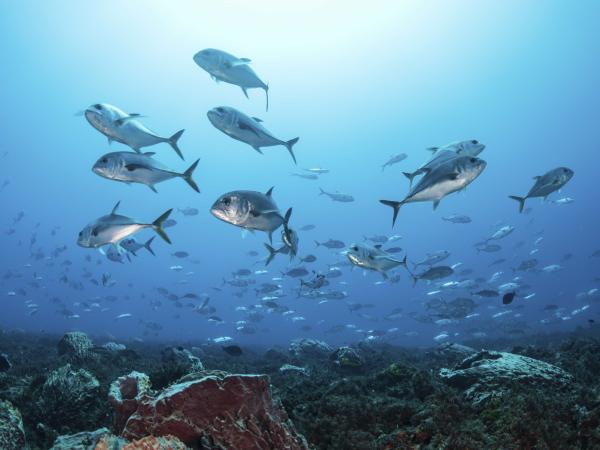
Christopher Costello's groundbreaking Science study using satellite technology and AI proves marine protected areas effectively reduce illegal fishing by 90%, challenging "paper park" criticisms and demonstrating MPAs' crucial role in achieving global 30x30 ocean conservation targets.
A landmark study by UCSB Bren School faculty Sarah Anderson and Mark Buntaine finds that publicly rating local governments on pollution transparency led to long-term improvements in air quality and regulatory enforcement in China.
Bren School's Joan Dudney named 2025 ESA Early Career Fellow for innovative research on climate change, forest ecosystems, and multiple environmental stressors reshaping Western landscapes.
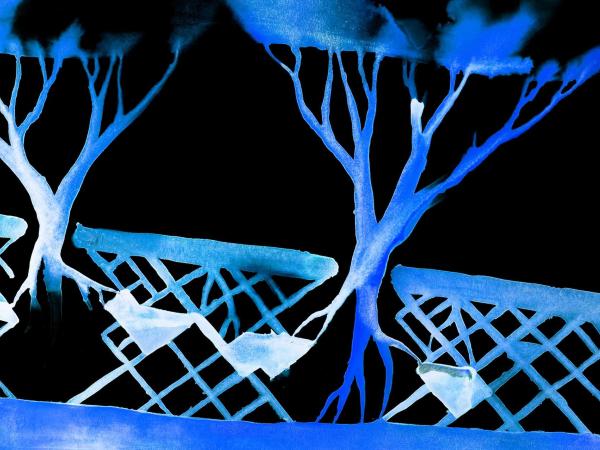
"Tree Water," an installation by artist Ethan Turpin and UCSB environmental scientist Naomi Tague, visualizes hidden water flows beneath forests, challenging conventional scientific models. Part of the WILDLAND exhibition, the piece merges art and eco-hydrology, offering an immersive perspective on climate and water movement.
Discover how AI’s rapid expansion is fueling unprecedented data center growth and energy consumption. Dr. Eric Masanet reveals the challenges—and potential solutions—for sustainable computing.
Renowned ecologist David Tilman revolutionized biodiversity science, revealing that more diverse ecosystems thrive and earning the National Medal of Science for his groundbreaking work.
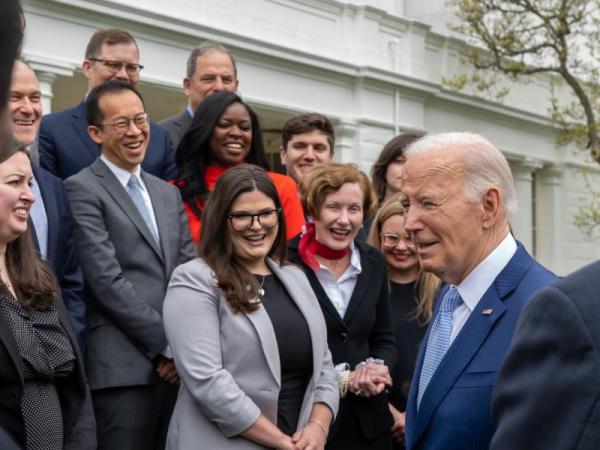
Associate Professor Kyle Meng discusses his year as CEA's Senior Climate Economist, analyzing climate policy for the President and US energy transition.