This project worked with Apeel Sciences, a small biotechnology startup interested in sourcing food waste as an input to their product, to evaluate the environmental impacts of sourcing waste using two different Life Cycle Assessment methodologies, economic allocation and substitution.
Beach closures to protect the Western Snowy Plover in Lompoc, CA have generated negative community sentiments towards the threatened bird. But a new 2019 policy allows public access to Surf Beach. This project aims to understand community concerns surrounding beach access, and to foster environmental stewardship among Lompoc residents.
This project assessed the effectiveness of regenerative organic practices to store soil carbon, modeled greenhouse gas emissions and evaluated the effect of different regenerative organic practices on total GHG emissions, and developed recommendations for Patagonia on which practices have the largest impact on carbon sequestration in the soil.
The ‘Greenhouse Sass’ podcast breaks down current environmental headlines, in an accessible and conversational way. With quirky humor, topical environmental issues are explained by reviewing relevant scientific studies. Three 20-minute episodes will be discussed, covering Microplastic Generation, Coral Bleaching, and the future of Renewable Energy.
This project team analyzed the Channel Islands National Marine Sanctuary's current citizen science data management system and identified improvements that will maximize the usability of this rich dataset.
The CITE Plan Project investigated the relationship between timber management, fire regimes and fire severity and their future regulatory incorporation by the California Board of Forestry and Fire Prevention (CalFire) into the Timber Harvest Plan (THP) permit process.
Press kit materials for the National Parks Conservation Association to raise awareness on the impacts of fracking on California National Parks and to encourage community engagement.
This project team and their client, Denver Water, sought to understand the threat contaminants of emerging concern may pose to drinking water quality in their collection system.
Trade-offs associated with marine reserves are believed to have played a key role in the network’s delayed implementation; potential long-term gains in sustainable fishing and the conservation of biodiversity likely generate short-term losses in fishery revenue due to fishery closures. The trade-offs between conservation and livelihood led our team to ask: What are the consequences of delaying the implementation of a reserve network, and how much area should be protected to enhance both fish biomass and catch?
An interactive puzzle game for the California Academy of Sciences that helps players understand where their electricity comes from and empowers them to support a greener grid.
The Nature Conservancy enlisted this group project team to help determine whether investments in natural infrastructure could lower insurance costs to hoteliers and coastal development sites.
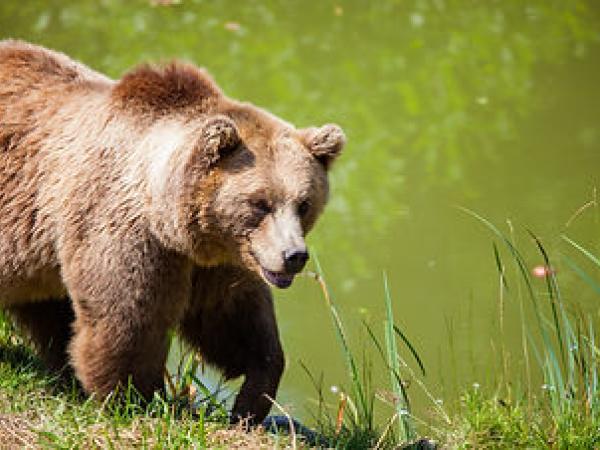
A communication strategy to help the California Grizzly Research Network craft a consistent message about their research on grizzly bear reintroduction in California.
This project team worked with The Nature Conservancy, Santa Barbara Botanic Garden, and other island conservation organizations to better understand how climate change will impact island oaks and their recovery.
In California, there is often an excess supply of solar energy in the middle of the day, which can lead to grid curtailment - when clean, renewable energy is not generated to its full capacity or sold to other regions at negative pricing. As more electric vehicles enter the market in California and are poised to charge at the similar peak demand times, utilities are looking for strategies to shift demand of electric vehicle charging to use that excess supply of solar energy. The project's goal was to analyze the potential of electric vehicles as a flexible demand response tool and how to turn a challenge into an opportunity.
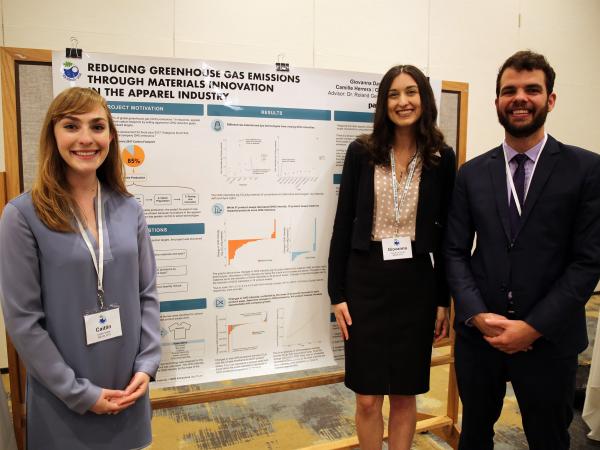
By modeling various product changes out to the year 2035 with company growth, this team identified the material and dye applications with the largest GHG savings for apparel company Patagonia. From this, they sought to develop realistic product change recommendations to decrease the overall environmental impact of Patagonia’s products.
This project aimed to identify synergies and tradeoffs between agricultural practices, ecosystem health, and human wellbeing in Rwanda. Their approach was to examine Vital Sign’s integrated data across a variety of indicators. This analysis was then used to inform agricultural development decisions.
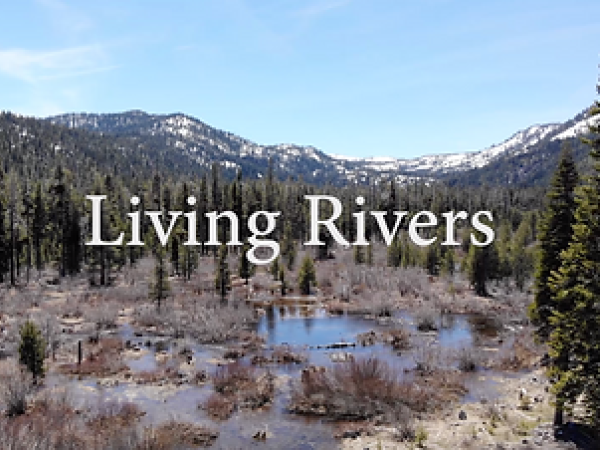
This research group project was commissioned by The Nature Conservancy (TNC) to conduct a watershed analysis of the Carson and Walker river basins of Douglas County, Nevada. They developed a conceptual model of the local watershed, evaluated ecosystem services and the impacts of climate change, as well as performed a market feasibility study to determine if a water fund mechanism would be possible in the region.