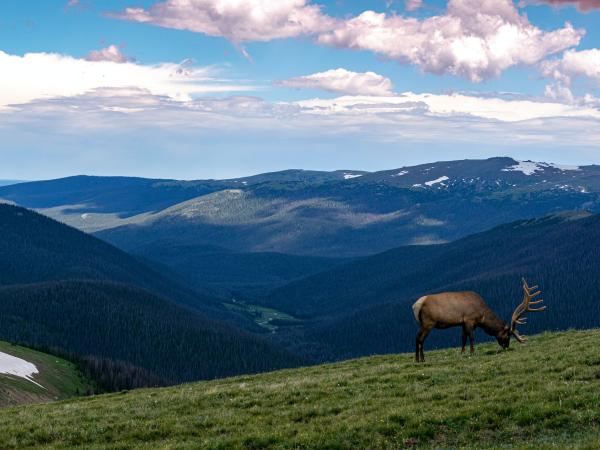
In Teton County, elk feedgrounds spread disease, impacting cattle and ranchers. This project assessed ways to manage risks from feedground closure, recommending financial tools to support wildlife coexistence and reduce economic losses for ranchers.
Community engagement in planning is essential for effective and just climate adaptation. However, historically underserved communities are often difficult to reach through traditional means of soliciting public input. The Climate Adaptation Solutions Accelerator (CASA) through School-Community Hubs project identifies public schools as promising sites for building both community engagement and community capacity for climate adaptation.
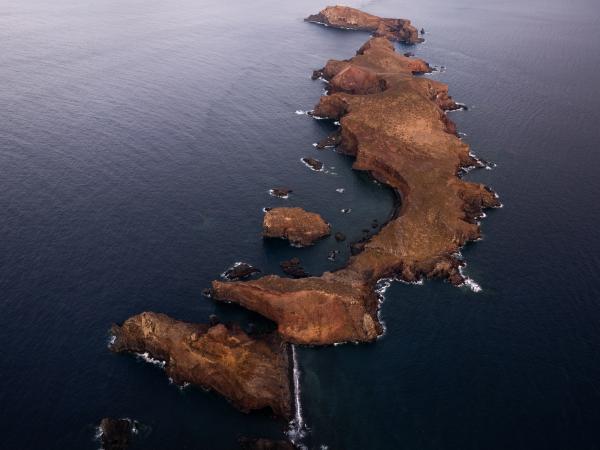
The Channel Islands Marine Sanctuary (CINMS) comprises 1,470 square miles surrounding the Northern Channel Islands: Anacapa, Santa Cruz, Santa Rosa, San Miguel, and Santa Barbara, protecting various species and habitats. However, these sensitive habitats are highly susceptible to climate-driven ‘shock’ events which are associated with extreme values of temperature, pH, or ocean nutrient levels. To better understand the drivers and statistics of climate-driven ecosystem shocks, a ‘large ensemble’ of simulations run with multiple climate models will be used. The objective of this project is to develop an educational toolkit and Python-based web application to visualize ecologically significant climate variables near the CINMS.
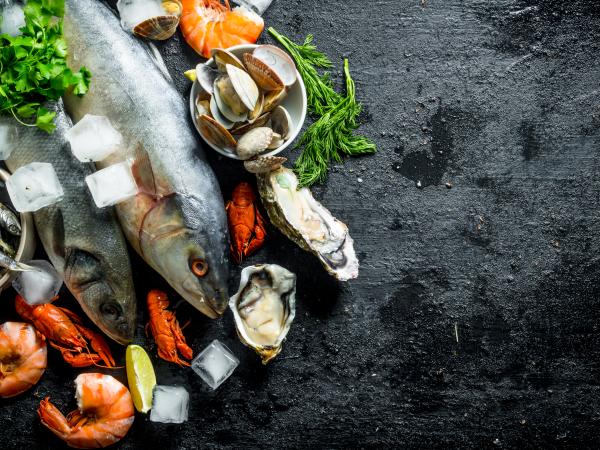
Dichlorodiphenyltrichloroethane (DDT) is an insecticide that is resistant to degradation and can cause increased risks of cancer, premature births, developmental abnormalities, and neurological diseases in humans and animals. Although banned in 1972, DDT was dumped into the ocean off the coast of southern California for decades. Recent documentation of the extent of this contamination has captured the attention of the public and raised concerns regarding the consumption of contaminated seafood. The State of California currently issues consumption advisories for coastal communities, but these advisories do not address DDT. To fill this gap and improve advisory accessibility, SaferSeafood has partnered with Scripps Institution of Oceanography and the California Cooperative Oceanic Fisheries Investigations, who collected data on the incidence of DDT in sediments and fish in nearshore southern California waters. Using this data, we updated and validated their spatiotemporal statistical model to predict DDT concentrations in fish based on species and location. We then integrated this model into an interactive web application that allows anglers to receive predicted DDT concentrations in the fish they have just caught, along with serving size recommendations and other relevant advisories. This project will allow individuals to make well-informed decisions about their seafood choices in the face of environmental challenges and health risks associated with DDT contamination.
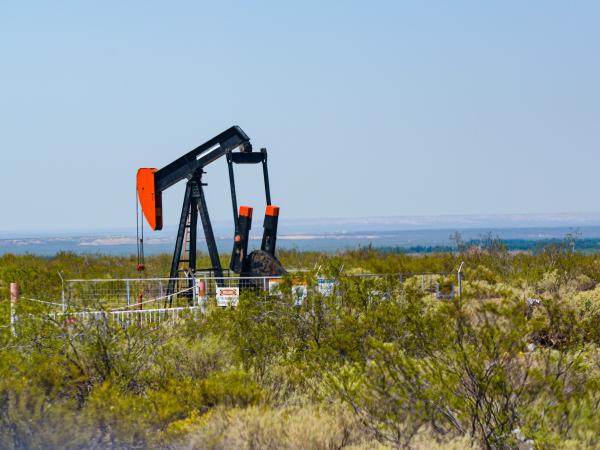
This project examines how supply-side oil and gas regulations impact greenhouse gas emissions, employment, and the health of communities in California living near oil wells. The project is especially focused on the implications of Senate Bill 1137 (SB1137), which would prohibit the construction of new oil and gas wells within 3,200 feet of schools, hospitals, and other sensitive receptors.
This project developed a policy evaluation tool to assess emissions and model reductions from federal decarbonization efforts. The open-source tool helps policymakers target high-impact interventions for industrial emissions reduction, particularly in disadvantaged communities.
This project contributes to the larger Building Resilience to Wildfires initiative by presenting a process for creating these potential climate scenarios by stitching together pieces of existing climate model projections. To build each piece of a climate scenario, or each ‘segment’, climate models are searched for pieces that match the specified climate criteria of interest for that very segment. Once all desired segments are built, segments are then stitched together to make one continuous time-series: a ‘climate scenario’.
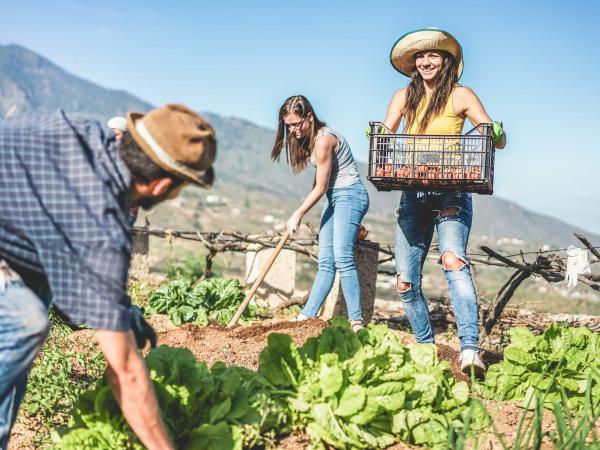
Regenerative agriculture offers unique environmental benefits that conventional agriculture cannot. This team created targeted papers to certifying bodies and ranchers, and a short film on how regenerative agriculture works for White Buffalo Land Trust.
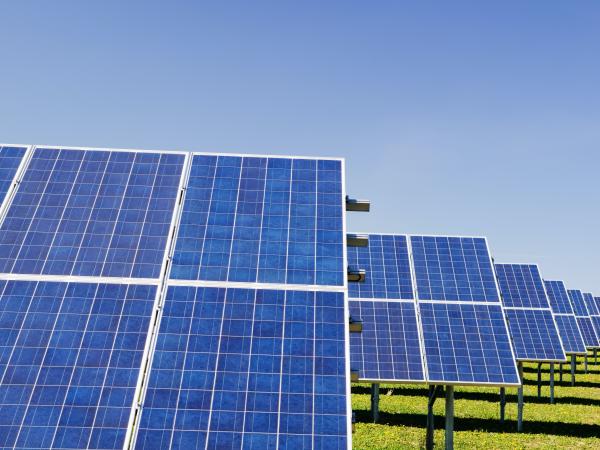
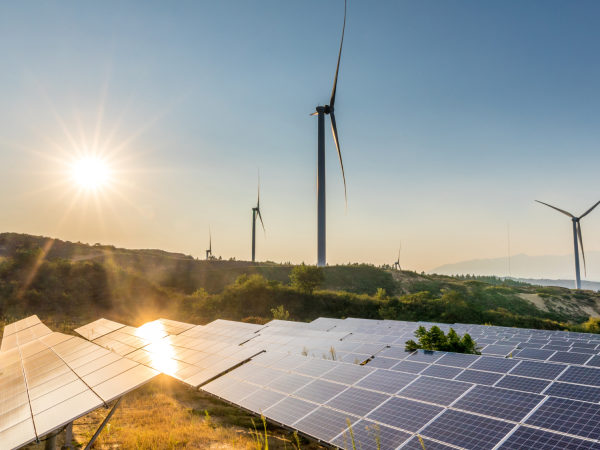
Adding solar PV to existing wind energy sites can boost profits and minimize the need for new transmission infrastructure. This study used a nonlinear optimization model to size solar PV additions at over 1,300 U.S. wind projects, ranking sites by environmental impact and cost efficiency.
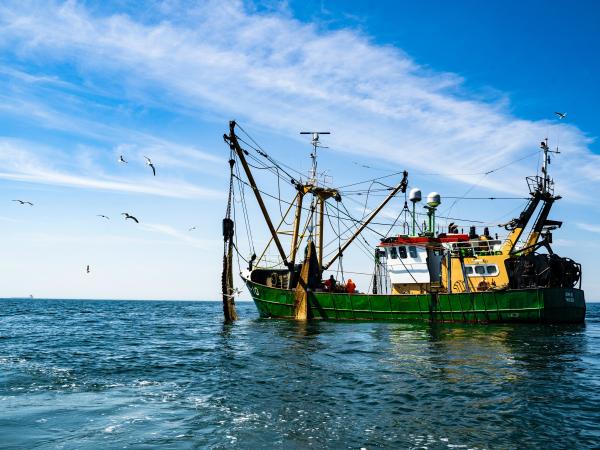
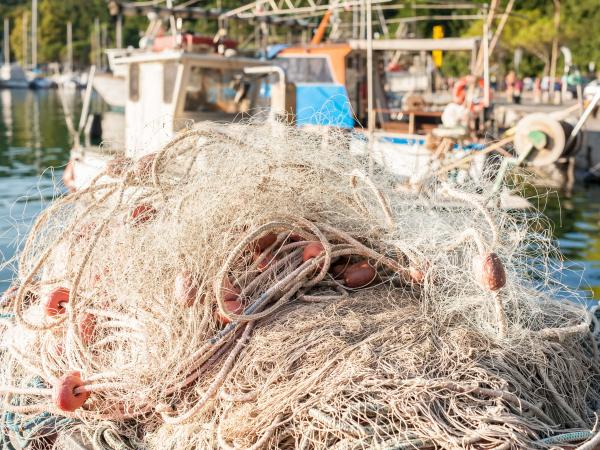
Abandoned or lost fishing gear can be dangerous to sea life, and the Ocean Defender’s Alliance (ODA) is dedicated to removing it. This team created a short film on the collaboration between ODA and local fishers to make a big difference in the marine environment by removing fishing debris.
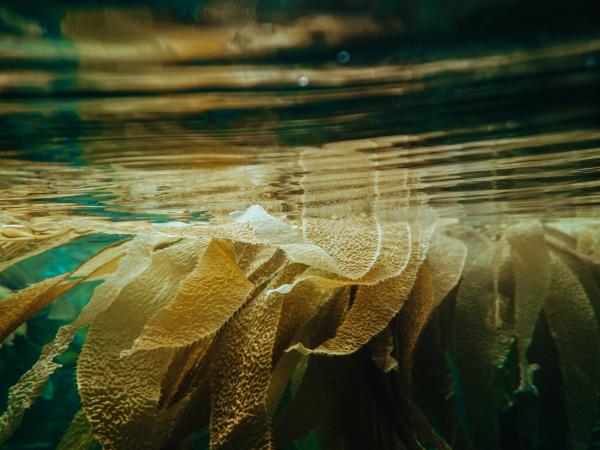
The ecology of giant kelp is complex and the formation of kelp forests is impacted by many factors, including ocean nutrient concentrations, water depth, sea surface temperature, and seafloor habitat. The Santa Barbara Channel has been home to many long-term research projects that collect data on these factors. Unfortunately, this information is in many formats and data structures making it challenging for researchers to easily incorporate it into their work. This project creates a shortcut for acquiring and using these data by synthesizing a data set of nutrient concentrations, water depth, sea surface temperature, seafloor habitat, kelp area, and kelp biomass.