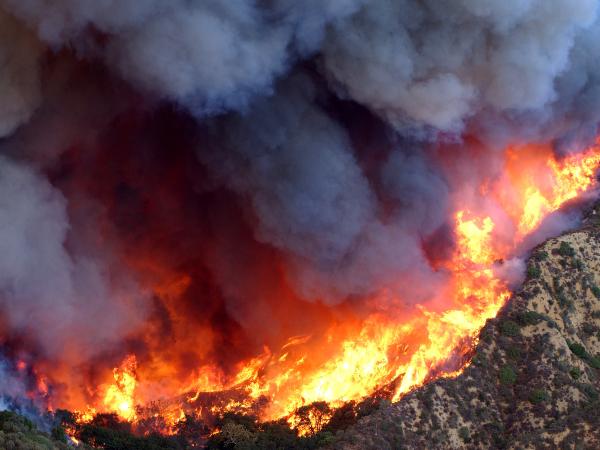
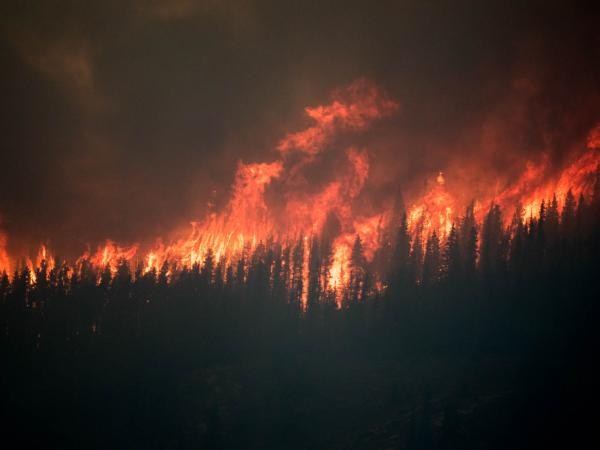
Identifying socially vulnerable communities at risk of wildfire and developing a Community Wildfire Protection Plan that equitably addresses community needs.
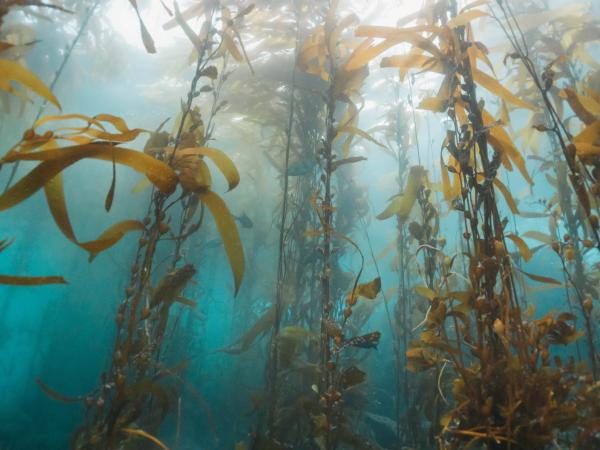
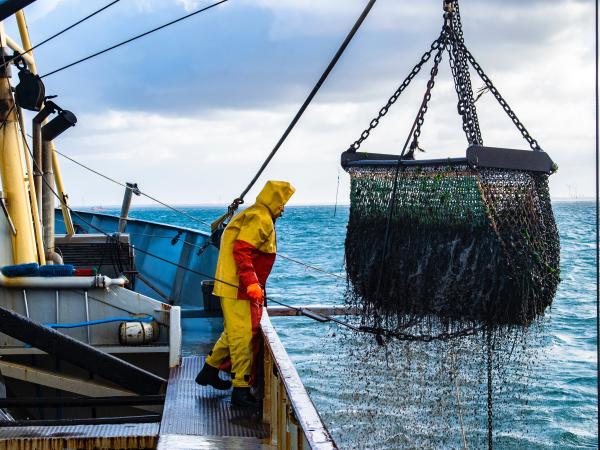
This educational film outlines the benefits of seaweed aquaculture and is targeted at stakeholders in the California seaweed aquaculture industry, with the goal to help eliminate barriers to offshore aquaculture expansion on the West Coast.
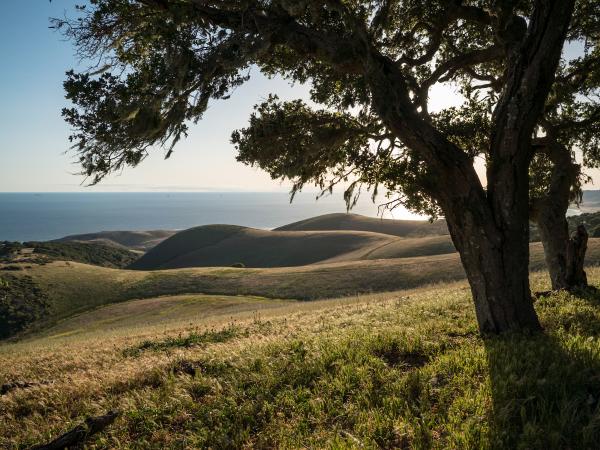
Generating a multi-scale model of habitat connectivity for mountain lions in a California coastal preserve, with the intent to inform future wildlife corridor designs for conservation.
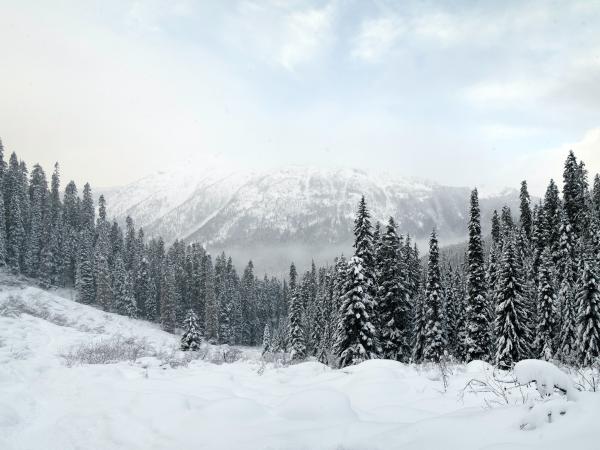
This in-depth yet accessible report for Protect Our Winters (POW) highlights the impact that climate change has on outdoor sports and access to recreation spaces. It is meant to stimulate advocacy for climate policy among “summer sports" enthusiasts.
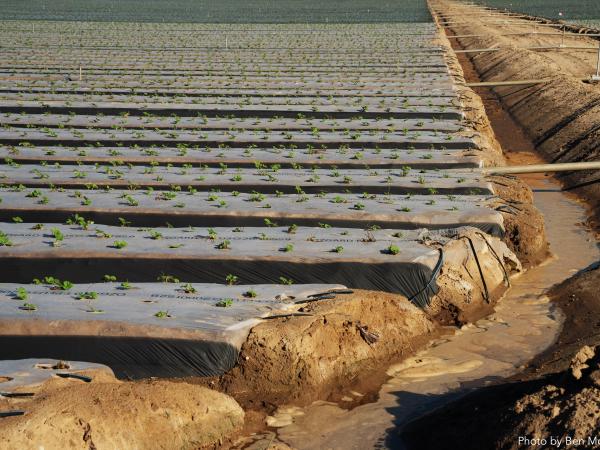
Mitigating the environmental impacts of this agricultural practice by developing either an alternative to plastic mulch or providing an end-of-life solution for the plastic waste.
Harmonizing the NCEAS global footprint of food systems data with human welfare data to analyze patterns of environmental inequities in livestock, crop, aquaculture, and fishery production in the US.
This short film highlights snow monitoring and hydrologic research at CUES (Cold Regions Research and Energy Laboratory & UCSB), a shared snow research site utilized by UCSB, CRREL, and Desert Research Institute (DRI).
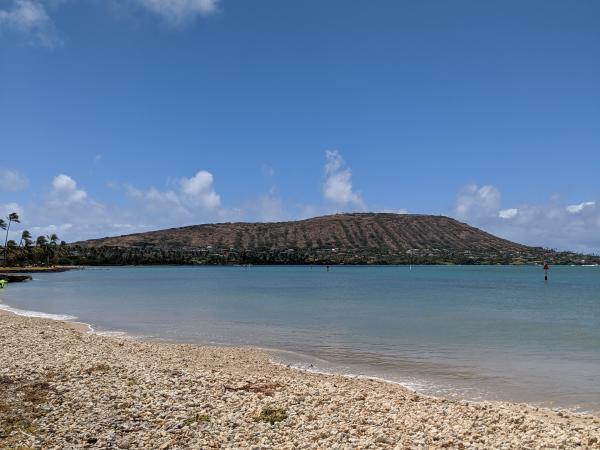
Identifying stormwater areas on land that contribute the greatest amount of runoff in Maunalua Bay, Hawaii to mitigate runoff impacts, improve bay health, and benefit the community.
This communication strategy will help the Whitebark Institute motivate second-home owners in the Mammoth Lakes area to participate in wildfire mitigation through political action and fuels reduction on personal property.
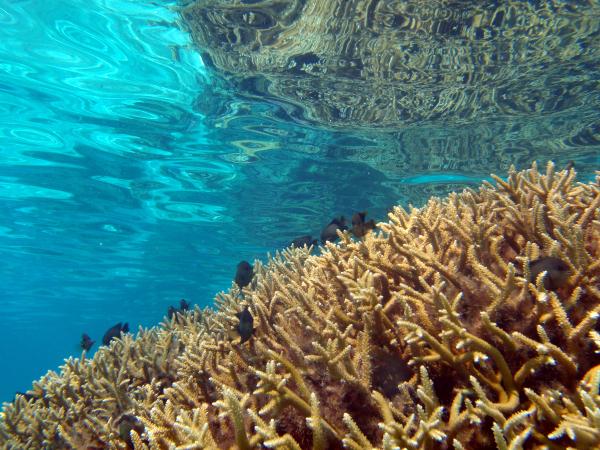
This project develops an interactive web app that visualizes spatial and temporal patterns in coral reef health around Moorea, French Polynesia. By integrating long-term ecological data, it helps researchers explore stressors, identify vulnerable reefs, and support targeted conservation and outreach.
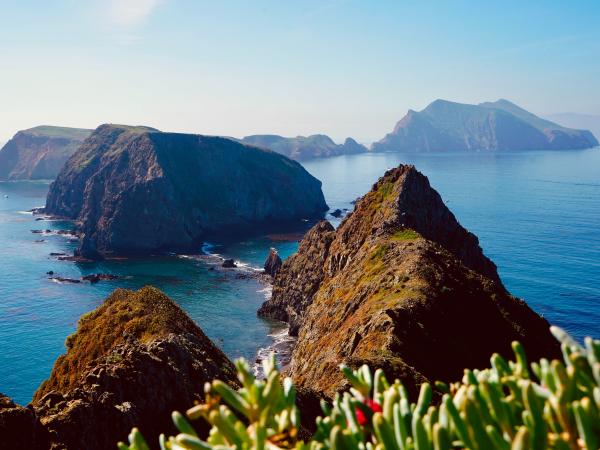
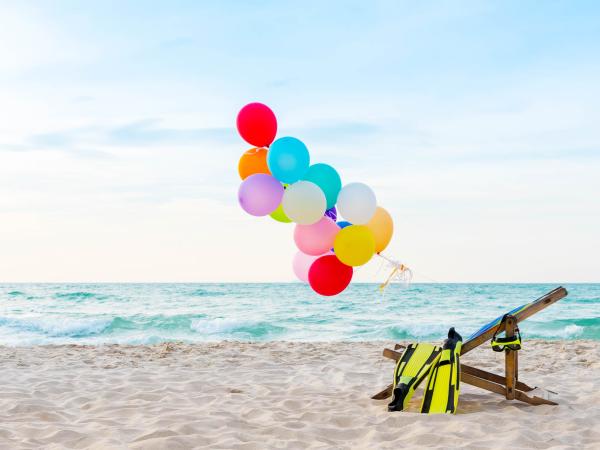
This communication strategy for Channel Islands National Marine Sanctuary (CINMS) will help reduce harmful balloon pollution in the Santa Barbara Channel through consumer education and a local campaign focused on special events, such as holidays and graduation.
This project is identifying locations for fuels reduction to maximize benefits to river ecosystems and clean water supply. This model will be looking at fire and water processes in the Cosumnes, American, Bear, and Yuba (CABY) river regions in the Sierra Nevada Forests.
This project explores residential water rebate programs' impact on water, energy, and greenhouse gas emissions, specifically for the project client, Moulton Niguel Water District.
The main objective of this project is to design a theoretical framework of quota baskets to guide managers and decision-makers in determining whether quota basket approaches are an appropriate management strategy for a fishery.
The CA Coastal Commission hopes to expand participation in its public comments. Since many young people and People of Color are underrepresented in this process, this team created a short film, instructional video, and web content to inspire participation and provide engagement tips.
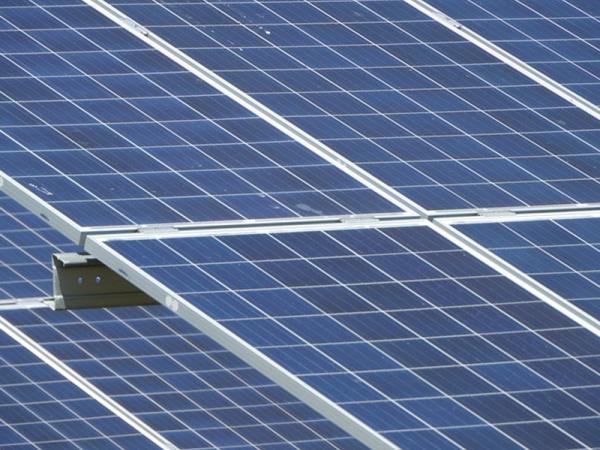
This study aims to define “multiple benefit local clean energy” and “environmentally responsible local clean energy” in order to explore the benefits of distributed energy resources.
This project analyzes data and strategies for feral pig management at the Dangermond Preserve in California to inform The Nature Conservancy's long-term management plan to reduce or eliminate the negative impacts of this invasive species on the preserve's natural and cultural resources.
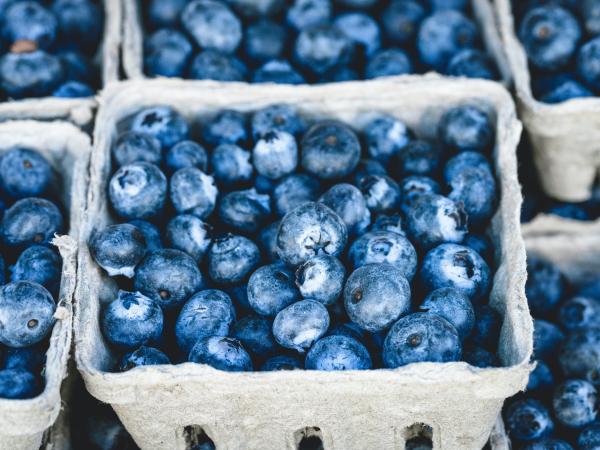
This project assesses viable alternatives to agricultural plastics as well as their disposal methods. The group aims to to seize the opportunity to lighten the environmental impact of the berry industry.