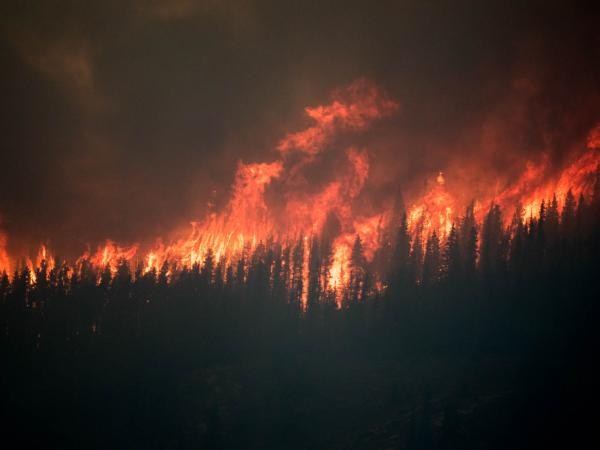
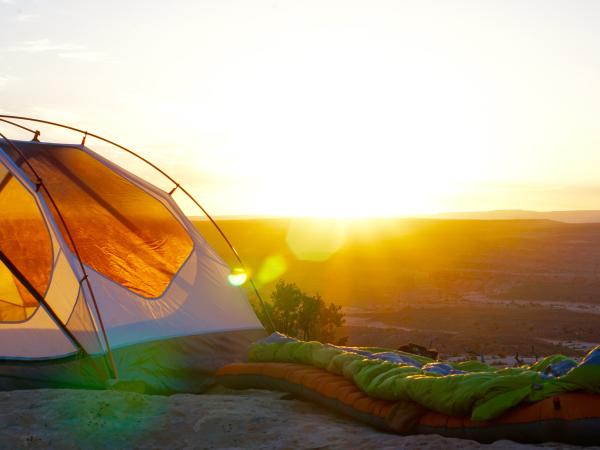
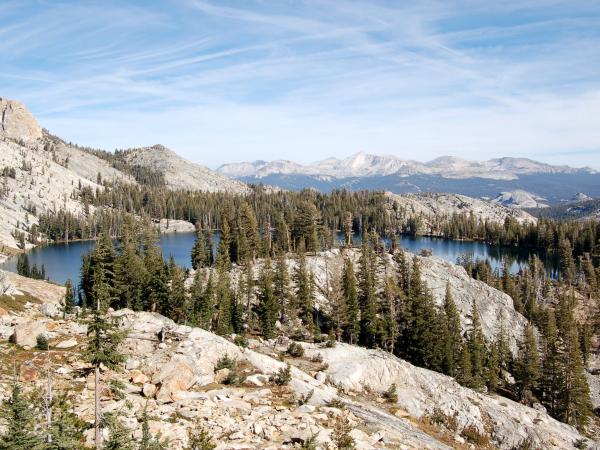
This communication strategy will help the Whitebark Institute motivate second-home owners in the Mammoth Lakes area to participate in wildfire mitigation through political action and fuels reduction on personal property.
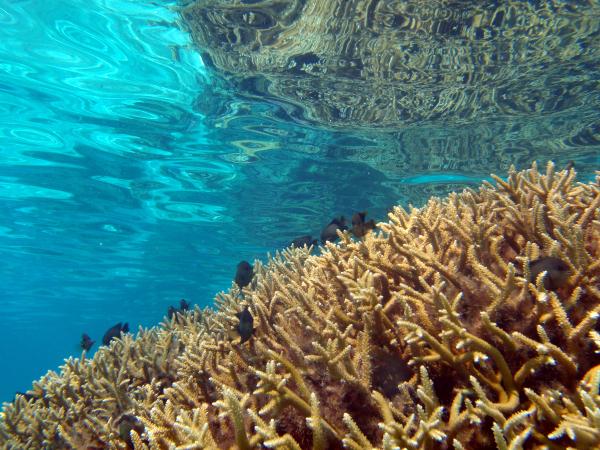
This project develops an interactive web app that visualizes spatial and temporal patterns in coral reef health around Moorea, French Polynesia. By integrating long-term ecological data, it helps researchers explore stressors, identify vulnerable reefs, and support targeted conservation and outreach.
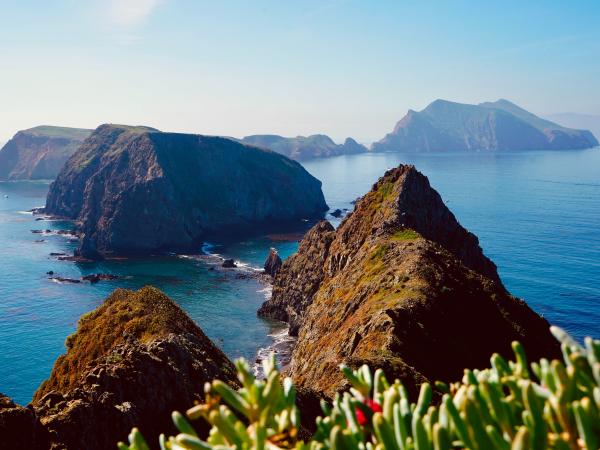
This communication strategy for Channel Islands National Marine Sanctuary (CINMS) will help reduce harmful balloon pollution in the Santa Barbara Channel through consumer education and a local campaign focused on special events, such as holidays and graduation.
Producing an interactive web platform that allows National Park managers to easily explore and visualize park-specific patterns such as visitation volume, demand, visitors’ origin, and more.
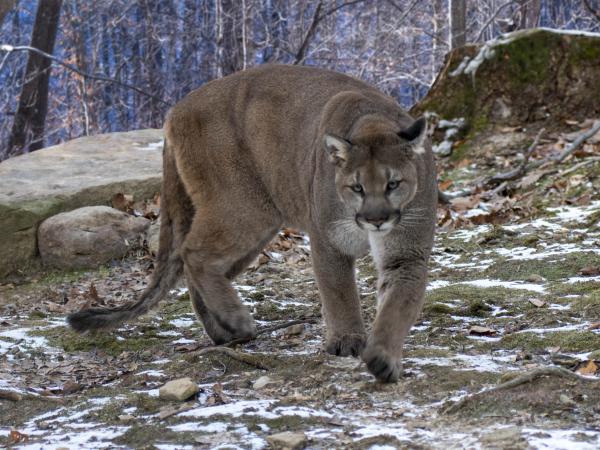
This short film for The Nature Conservancy is meant to inspire and educate local communities about the importance of habitat connectivity for the conservation of mountain lions and other wildlife.
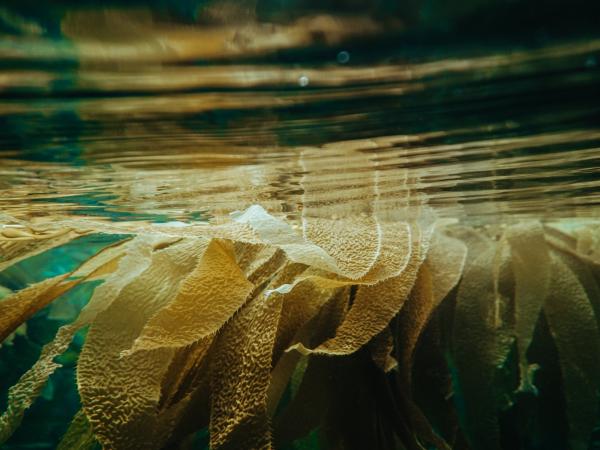
Developing a community engagement and outreach strategy for commercial kelp producer Ocean Rainforest to use as a framework for aquaculture expansion along the California coastline.
Developing a machine learning algorithm designed to interpret RHESSys output and extract insights into possible impacts of climate change on forest health.
Identifying financial incentives for forest restoration projects, examining supply and demand of ecosystem services within California’s Tahoe Central Sierra Initiative.
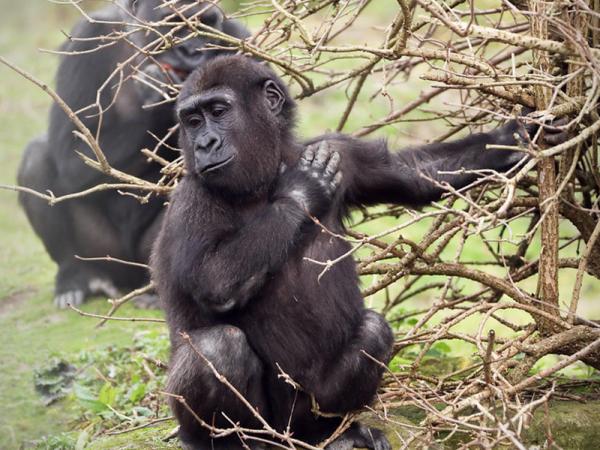
This project hopes to promote the conservation of the endangered Grauer's gorilla (Gorilla beringei graueri) in the Democratic Republic of the Congo (DRC). Using a data-driven approach to inform habitat corridor management, we are looking at priority conservation areas to investigate the trade-offs between human activities and gorilla conservation planning.
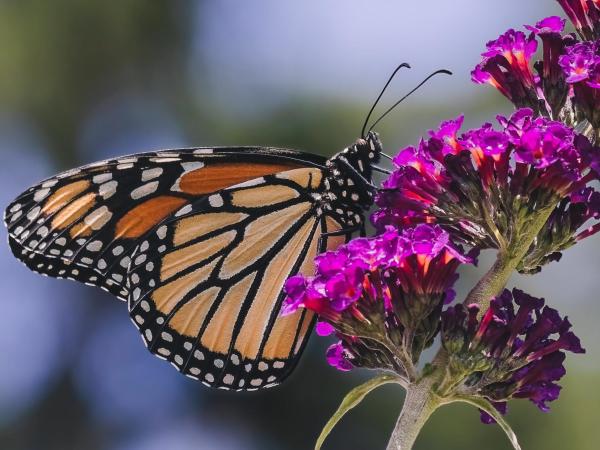
The Western Monarch’s population has dropped precipitously, with only 1,914 individuals observed in 2020. To help save this iconic species from extinction, this project is working with the U.S. Fish & Wildlife Service to help nurseries, gardeners, and community-members to adopt monarch-friendly behaviors.
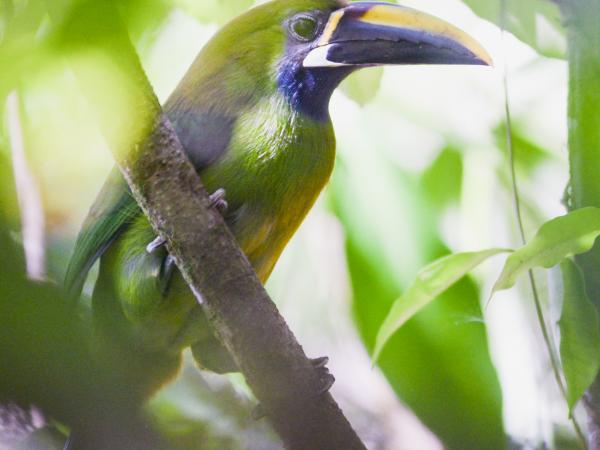
This project team is working with the Costa Rica-based non-profit, Osa Conservation, to evaluate the potential of eco-certifications to produce a net economic benefit to farmers in the Talamanca-Osa Region, and to upport Osa Conservation and local farmers in decision-making by projecting shifts in crop suitability distributions considering the anticipated impacts of climate change.
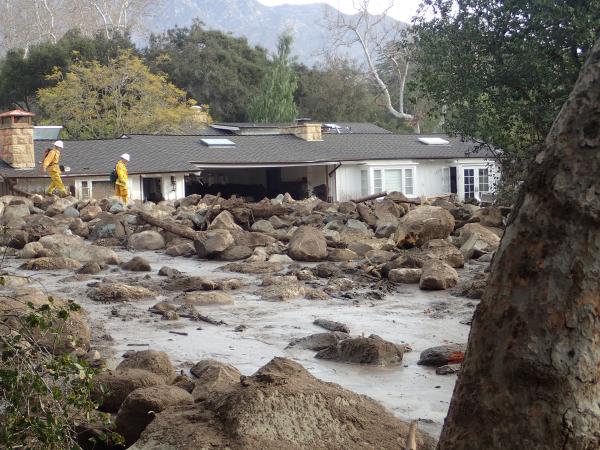
This project is working to address California's groundwater resilience by analyzing the multiple benefits of using flood waters for managed aquifer recharge and floodplain restoration in the Madera Basin of the San Joaquin Valley.
This project first seeks to identify the climate weather events that will have the most signifiant impact on 19 Raytheon Technologies locations within the United States.
This project will assess the natural range of variation (NRV) for southern California National forests, in addition to analyzing current research to provide the client with feasible management objectives that maximize forest resilience under a changing climate.
Using several data sources, this group project is building a model to guide day-to-day decisions and high-level campaign strategy for a new fishery co-management framework in Brazil.