Dichlorodiphenyltrichloroethane (DDT) is an insecticide that is resistant to degradation and can cause increased risks of cancer, premature births, developmental abnormalities, and neurological diseases in humans and animals. Although banned in 1972, DDT was dumped into the ocean off the coast of southern California for decades. Recent documentation of the extent of this contamination has captured the attention of the public and raised concerns regarding the consumption of contaminated seafood. The State of California currently issues consumption advisories for coastal communities, but these advisories do not address DDT. To fill this gap and improve advisory accessibility, SaferSeafood has partnered with Scripps Institution of Oceanography and the California Cooperative Oceanic Fisheries Investigations, who collected data on the incidence of DDT in sediments and fish in nearshore southern California waters. Using this data, we updated and validated their spatiotemporal statistical model to predict DDT concentrations in fish based on species and location. We then integrated this model into an interactive web application that allows anglers to receive predicted DDT concentrations in the fish they have just caught, along with serving size recommendations and other relevant advisories. This project will allow individuals to make well-informed decisions about their seafood choices in the face of environmental challenges and health risks associated with DDT contamination.
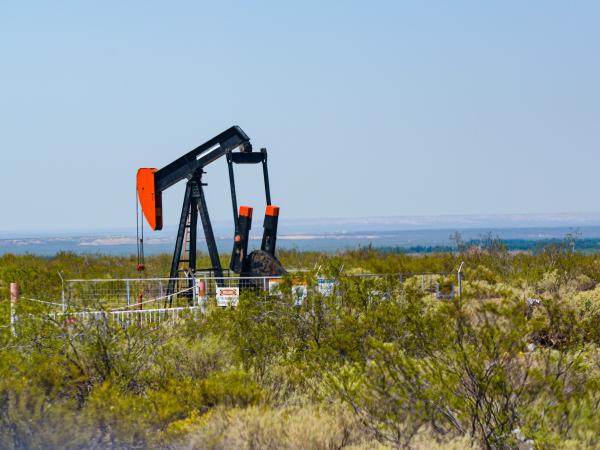
This project examines how supply-side oil and gas regulations impact greenhouse gas emissions, employment, and the health of communities in California living near oil wells. The project is especially focused on the implications of Senate Bill 1137 (SB1137), which would prohibit the construction of new oil and gas wells within 3,200 feet of schools, hospitals, and other sensitive receptors.
This project developed a policy evaluation tool to assess emissions and model reductions from federal decarbonization efforts. The open-source tool helps policymakers target high-impact interventions for industrial emissions reduction, particularly in disadvantaged communities.
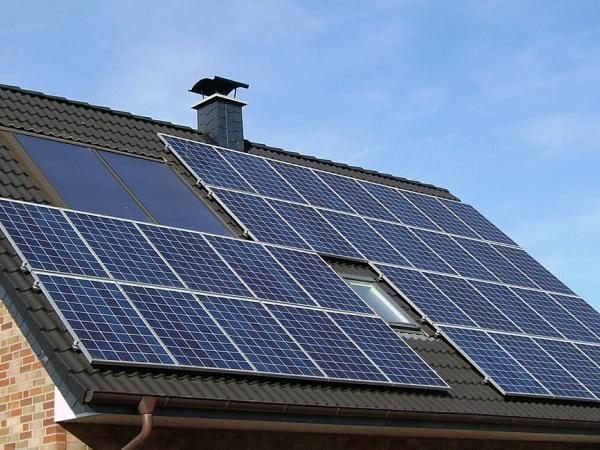
Green Credit addresses rising electricity costs for low-income Californians through a community solar subscription platform. The project connects residents to solar farms, provides education, and advocates for policies, making affordable renewable energy more accessible.
This project modeled human-black bear conflicts in California, incorporating fire and drought impacts to predict future hotspots. Findings help wildlife managers allocate resources and implement proactive strategies to reduce conflicts, especially in vulnerable communities.
Travelleco connects travelers with eco-friendly, locally-owned tourism providers to reduce environmental damage and economic inequality in tourism. The platform promotes transparency with sustainability scores, tracking both environmental impacts and local economic benefits.