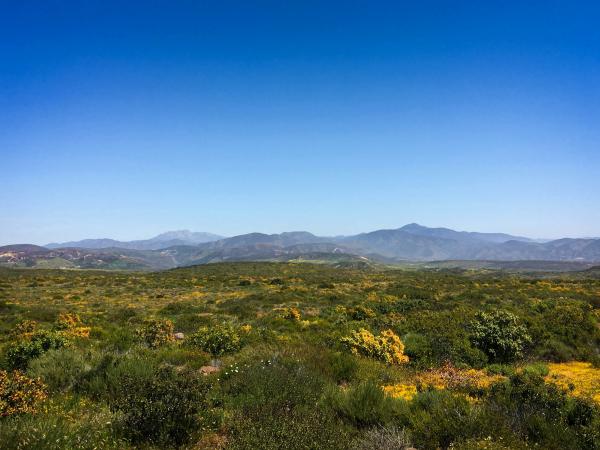
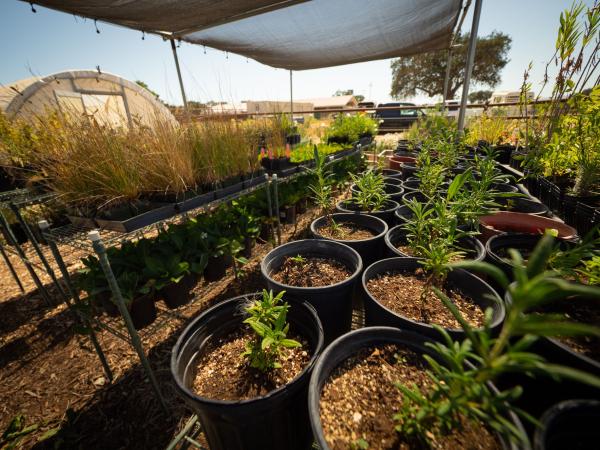
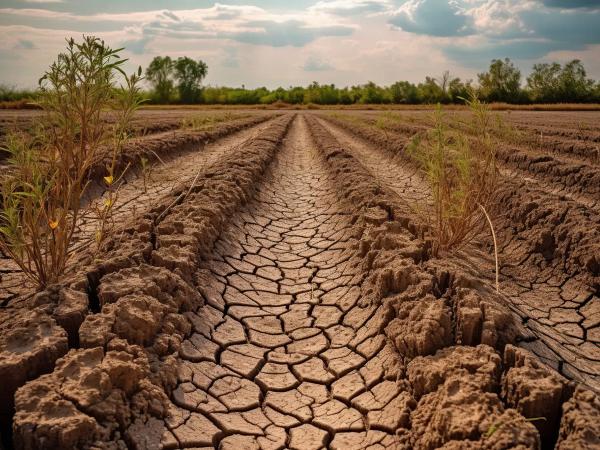
While the crucial role of Indigenous peoples and local communities (IPs & LCs) and their territories in realizing global climate and conservation goals is well established, a significant gap exists in scientific knowledge in terms of the current and future implications of a changing climate on IPs’ & LCs’ territories. The newly established Global Indigenous Peoples and Local Communities Center at Conservation International seeks to work with and for IPs & LCs to enhance the climate resiliency of these communities and their territories. As part of this effort, this project aims to understand the current and future impact of climate change on IPs & LCs and the biodiversity and carbon within their territories. Based on this understanding, the project team will identify strategies and actions that can be implemented to increase climate resiliency of IPs’ & LCs’ territories.
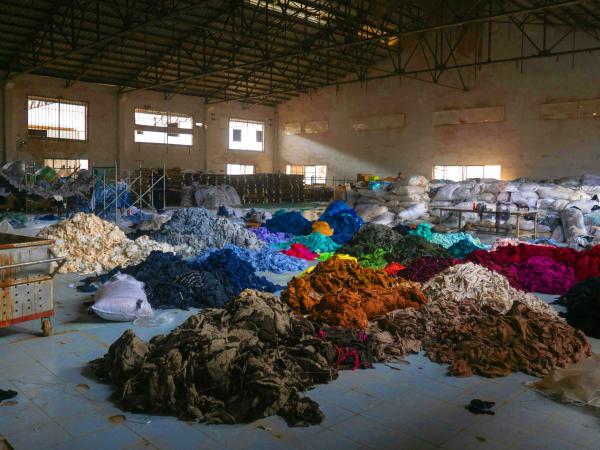
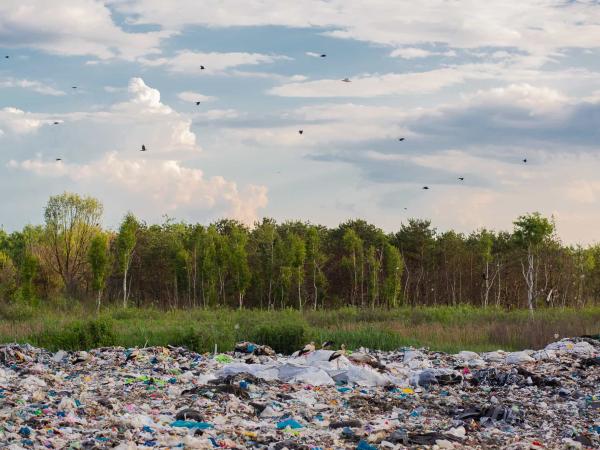
This project addresses California's textile waste crisis, where millions of tons of clothing and textiles are landfilled annually, contributing to greenhouse gas emissions and environmental justice concerns. California's newly enacted SB 707, the Responsible Textile Recovery Act of 2024, establishes an Extended Producer Responsibility framework requiring producers to fund collection and recycling programs, but implementation pathways remain unclear. This research will develop a comprehensive baseline assessment of California's textile waste streams, conduct an environmental assessment of different end-of-life management approaches, and create implementation frameworks to support the transition to circular textile systems under SB 707.
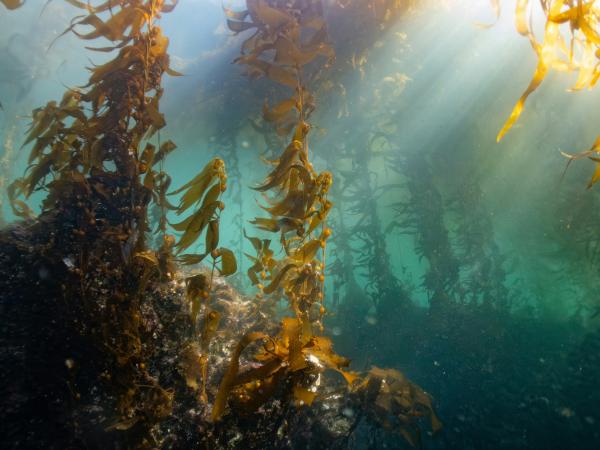
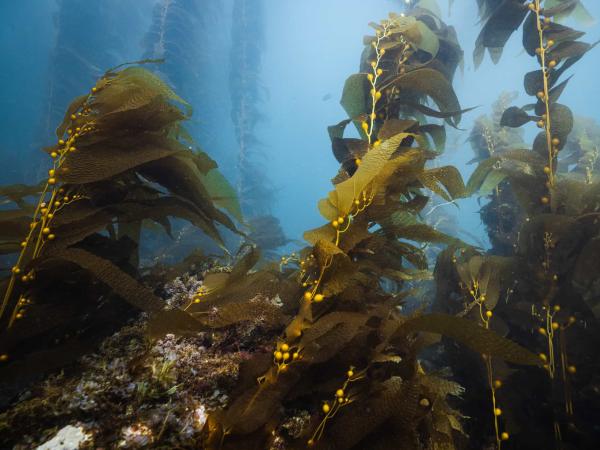
This project aims to develop a baseline environmental understanding of the CHNMS region by assessing habitats and the status and trends of key species within its boundaries. This foundational assessment will use current literature and historical datasets to identify regional trends and monitoring gaps. These findings will inform the sanctuary’s first Condition Report and Climate Vulnerability Assessment, guiding future management and conservation strategies.
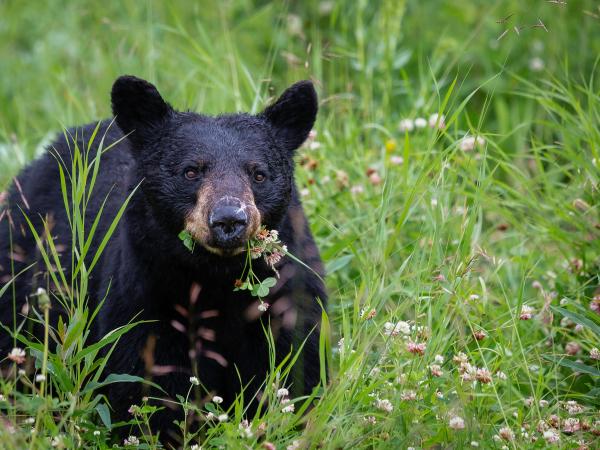
Black bears play a crucial ecological role; contributing to biodiversity and ecosystem health through services such as seed dispersal, scavenging, and nutrient cycling. Known to be more abundant and smaller than their grizzly counterparts, they have similar impacts on the ecosystem as they increase soil fertilization through their foraging behaviors and influence the movement of other forest species. In recent years, black bears have been expanding their range into California’s Northern Bay Area. Their gradual movement through this increasingly developed ecosystem inevitably results in more frequent conflict with humans in urban areas. While researchers are still unsure about the cause of this movement, it is clear that there is a need to find methods of sustainable coexistence between humans and black bears. By identifying a safety corridor for black bears and proposing land management techniques, the team aims to improve human-bear interaction outcomes.
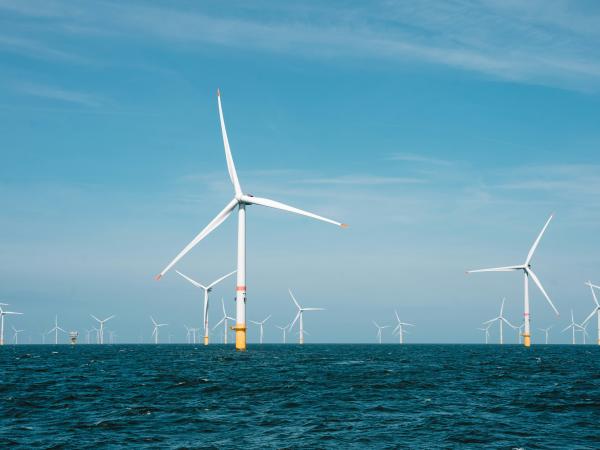
The proposed project will analyze BOEM’s current permitting framework to identify key challenges, opportunities for improvement, and potential pathways to facilitate the development and implementation of small-scale projects. Possible approaches include regulatory mapping, case study examination of existing small-scale projects, and policy scenario modeling. As state and federal governments are striving for carbon reduction targets, developing a well-defined renewable energy portfolio will be paramount. This portfolio should encompass a variety of generation methods and scale sizes to optimize potential renewable energy capacity.
MESM 2025 Group Project: Exploring High-Impact Regional Habitat Connectivity Projects in Support of a Sentinel Landscape Partnership Designation at Vandenberg Space Force Base
MESM 2025 Group Project: Finding Balance in Our Urbanized Watersheds - Policy Recommendations for Alternative Emergency Debris Management Actions in Santa Barbara County
This project enhances the Climate and Economic Justice Screening Tool (CEJST) by incorporating cumulative climate and environmental burdens, ensuring more equitable investment in the most at-risk communities. Using advanced geospatial analysis, it refines how disadvantaged areas are identified, strengthening the impact of the Justice40 initiative.
This project evaluates nature-based carbon credits for their biodiversity impact. In collaboration with Carbon Direct, the team aims to guide buyers on selecting credits that benefit ecosystems, using data analysis and case studies of Indigenous and conservation efforts.
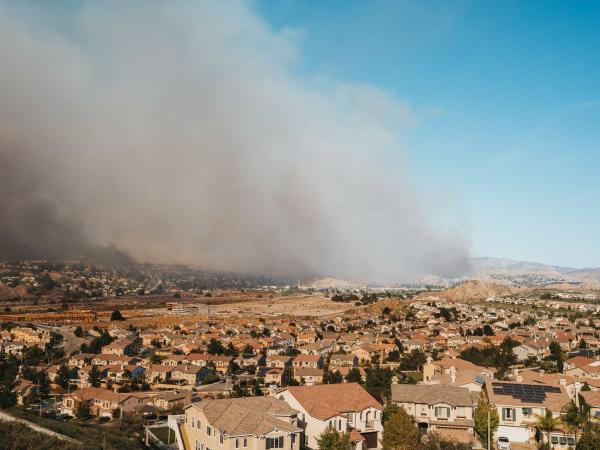
To enhance wildfire preparedness, this project develops a machine learning tool that predicts defensible space compliance using remote sensing imagery. By streamlining inspections for the Santa Barbara County Fire Department, it enables more efficient resource allocation and real-time monitoring of wildfire risk.
This project harnesses high-resolution satellite data to uncover the greenhouse gas emissions of global fisheries, a major yet understudied contributor to climate change. By building an open-source data pipeline and interactive dashboard, it provides actionable insights for research, policy, and market-based strategies to reduce emissions at scale.
Liberia's waters face overfishing from foreign fleets, harming local ecosystems and fishers despite government profits. This project explores how limiting trawling could impact fish stocks and income, helping policymakers balance ecological and economic needs.
This project enhances marine conservation by standardizing habitat analysis within California’s Marine Protected Areas (MPAs) using spatial data and remote sensing. By creating detailed habitat maps and statistical comparisons, it provides crucial insights for researchers and policymakers evaluating the effectiveness of the MPA network.
This project enhances industrial decarbonization research by integrating greenhouse gas emissions and economic adjustments into the Industrial Assessment Centers (IAC) database. By developing a user-friendly interface with advanced visualization tools, it streamlines data access and supports more effective energy efficiency and emissions reduction strategies.
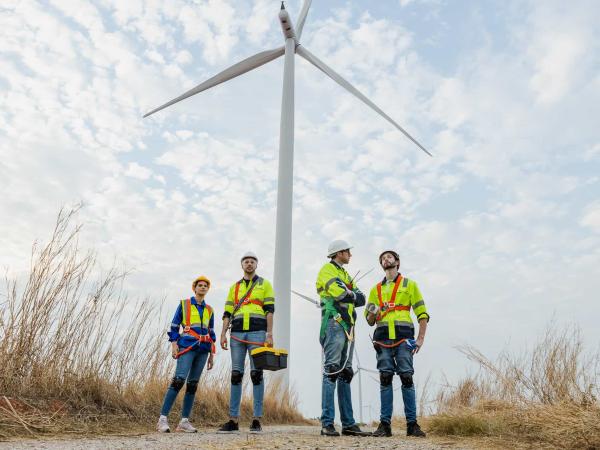
This project maps the shifting energy job landscape on California’s Central Coast as offshore wind development accelerates. By visualizing job gains and losses, it empowers labor, environmental, and community groups to advocate for a just transition to clean energy.
MESM 2025 Group Project: Safety and sustainability assessment of pyrolyzed biochar produced from wastewater treatment plant biosolids for agricultural applications
This project enhances California’s water data portal by assessing data quality, accessibility, and usability for improved drought management. Through gap analysis and automated visualization tools, it empowers water managers with actionable insights to better predict and respond to water shortages.