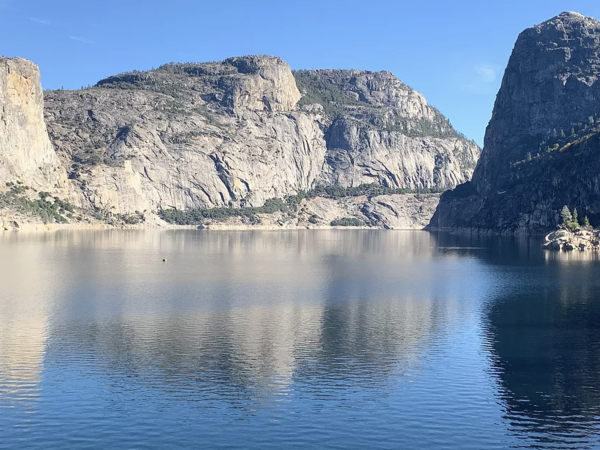
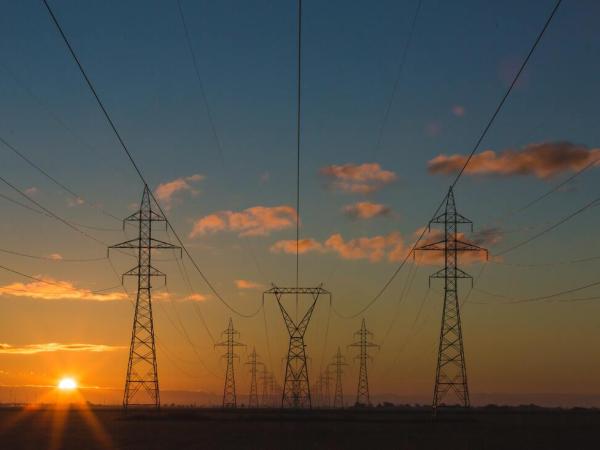
This project explores residential water rebate programs' impact on water, energy, and greenhouse gas emissions, specifically for the project client, Moulton Niguel Water District.
The main objective of this project is to design a theoretical framework of quota baskets to guide managers and decision-makers in determining whether quota basket approaches are an appropriate management strategy for a fishery.
The potential for seaweed aquaculture is real, though challenges remain in expanding its use. Created for UCSB’s Seaweed Working Group, this short film addresses the benefits of seaweed aquaculture and helps those who might be skeptical better understand its sustainability and broad applicability.
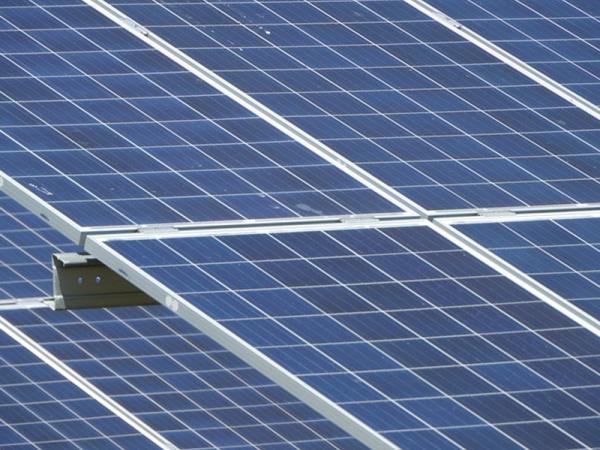
This study aims to define “multiple benefit local clean energy” and “environmentally responsible local clean energy” in order to explore the benefits of distributed energy resources.
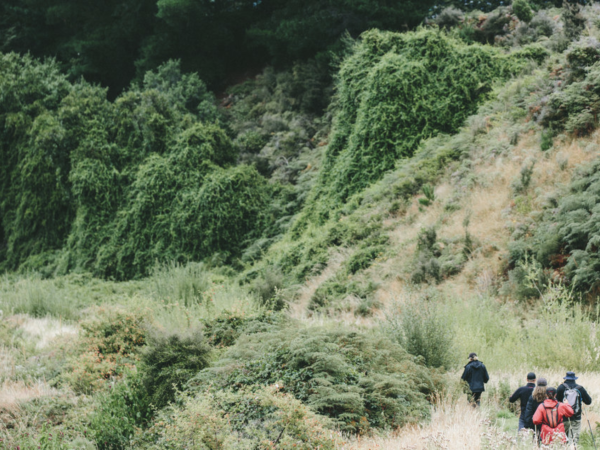
This project analyzes data and strategies for feral pig management at the Dangermond Preserve in California to inform The Nature Conservancy's long-term management plan to reduce or eliminate the negative impacts of this invasive species on the preserve's natural and cultural resources.
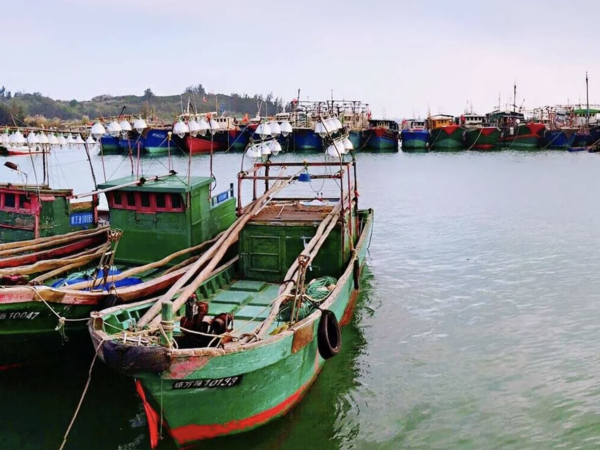
This project assesses viable alternatives to agricultural plastics as well as their disposal methods. The group aims to to seize the opportunity to lighten the environmental impact of the berry industry.
BioQuest is a cooperative composed of small-medium businesses and ranchers within the local food ecosystem. This Eco-E group of social entrepreneurs is looking to develop innovative, holistic solutions that incentivize climate action throughout the food supply chain.
The Conejo Recreation & Parks Department hopes to reach residents to communicate benefits of local parks to spark increased use, interest, and support for future park initiatives. This multi-part, research-based campaign includes a survey, strategic messaging, video competitions, and calls to action.
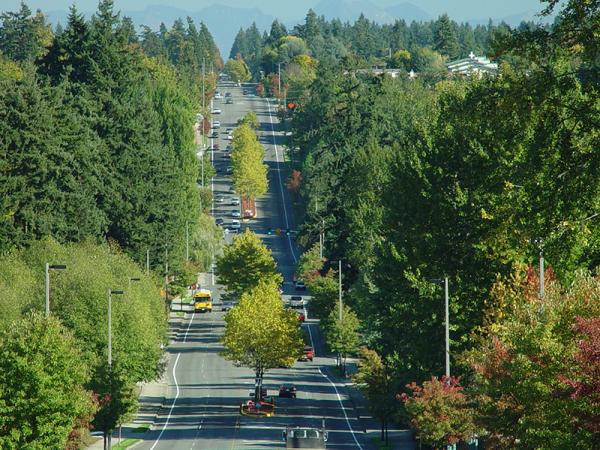
This project is examining equity of the Urban Forest Management Plan in Tacoma, WA, assessing trees' impacts on urban sustainability and the city’s ability to maximize socio-economic and environmental benefits while minimizing harm post-intervention.
Through modeling the effects of lending behavior on groundwater supplies and economic productivity, this project seeks to uncover how an economic incentive can affect agricultural sustainability in the Salinas Valley.
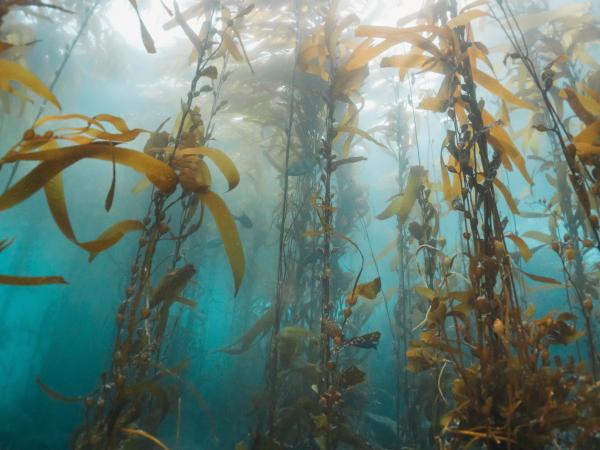
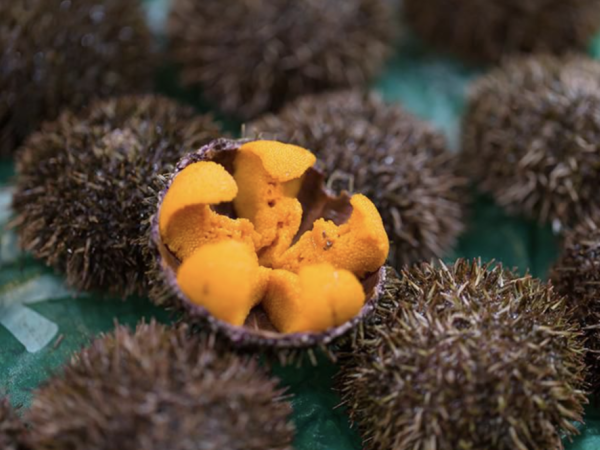
Unicado upcycles food waste to ranch purple urchins, whose overpopulation is destroying California’s kelp forests. By creating demand for ranched urchins, the project aims to protect kelp ecosystems and introduce a sustainable seafood option to the market.
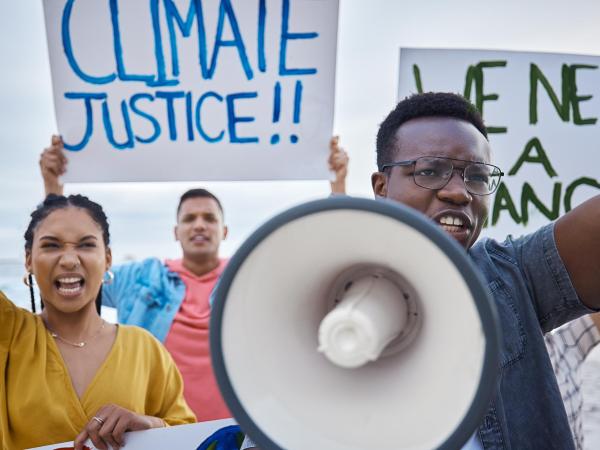
Environmental managers need a foundational understanding of environmental justice to be effective, equitable, and inclusive problem solvers. This four-part workshop series is designed to help environmental managers gain critical skills and literacy in environmental justice and equity topics.
This project will compare Nada Grocery’s carbon emissions and plastic waste production under a business as usual scenario to a variety of probable scenarios that could happen as a result of the 2020 COVID-19 pandemic.
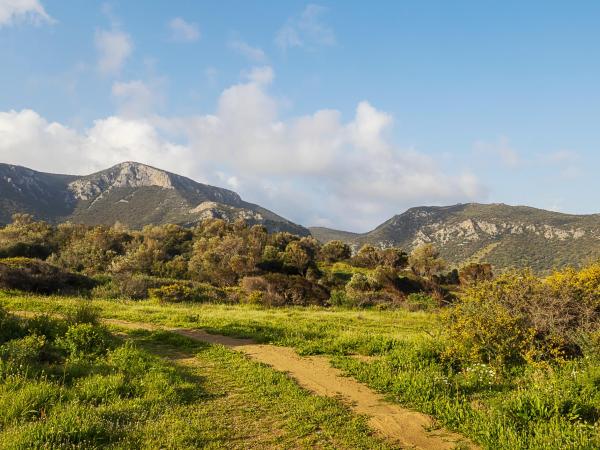
This project evaluates how Santa Barbara County’s working lands may be managed to best mitigate and adapt to climate change. Using TerraCount, this project aims to quantify the carbon storage impacts and co-benefits associated with a range of management activities.
Nori is a growing carbon removal company looking to expand their audience and increase carbon removal purchases. This consulting-style project involves extensive audience research, audience profiles, competitive analyses, and strategic messaging.
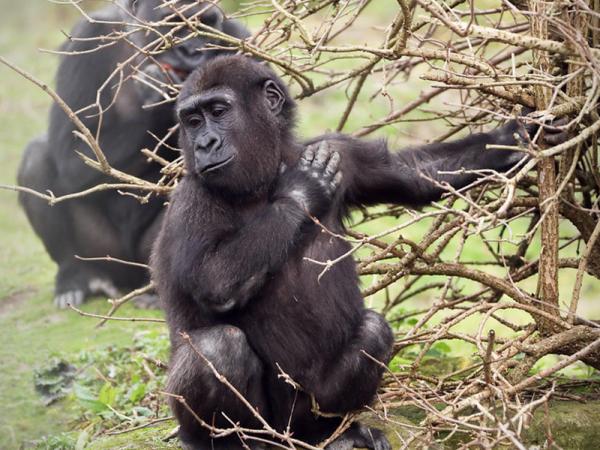
This project hopes to promote the conservation of the endangered Grauer's gorilla (Gorilla beringei graueri) in the Democratic Republic of the Congo (DRC). Using a data-driven approach to inform habitat corridor management, we are looking at priority conservation areas to investigate the trade-offs between human activities and gorilla conservation planning.
The Western Monarch’s population has dropped precipitously, with only 1,914 individuals observed in 2020. To help save this iconic species from extinction, this project is working with the U.S. Fish & Wildlife Service to help nurseries, gardeners, and community-members to adopt monarch-friendly behaviors.
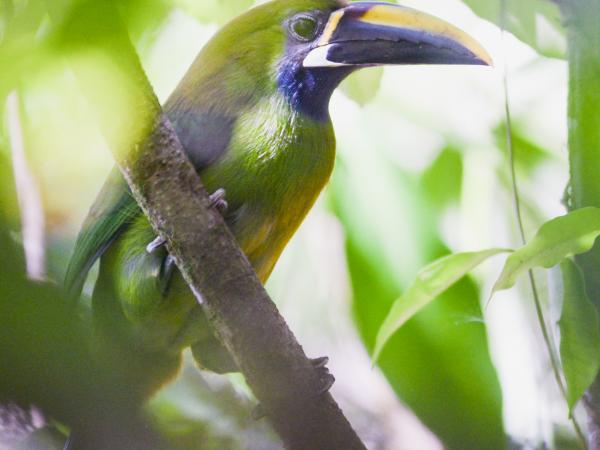
This project team is working with the Costa Rica-based non-profit, Osa Conservation, to evaluate the potential of eco-certifications to produce a net economic benefit to farmers in the Talamanca-Osa Region, and to upport Osa Conservation and local farmers in decision-making by projecting shifts in crop suitability distributions considering the anticipated impacts of climate change.
This project is working to address California's groundwater resilience by analyzing the multiple benefits of using flood waters for managed aquifer recharge and floodplain restoration in the Madera Basin of the San Joaquin Valley.
This project first seeks to identify the climate weather events that will have the most signifiant impact on 19 Raytheon Technologies locations within the United States.