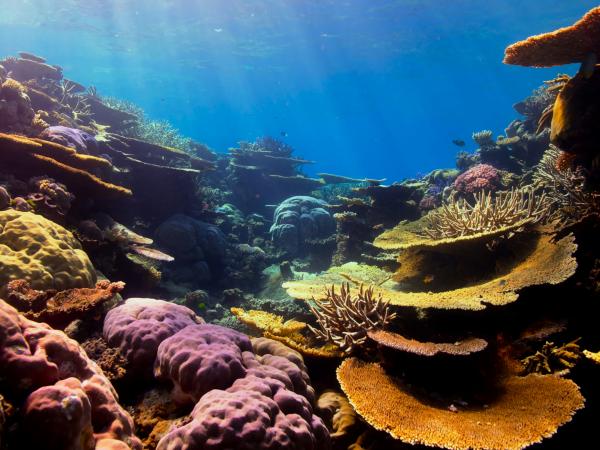
Coral reefs around Mo’orea, French Polynesia, have not recovered as expected after a major marine heatwave in 2019. This project will identify what is limiting recovery and help inform strategies to support healthier reefs in the future.
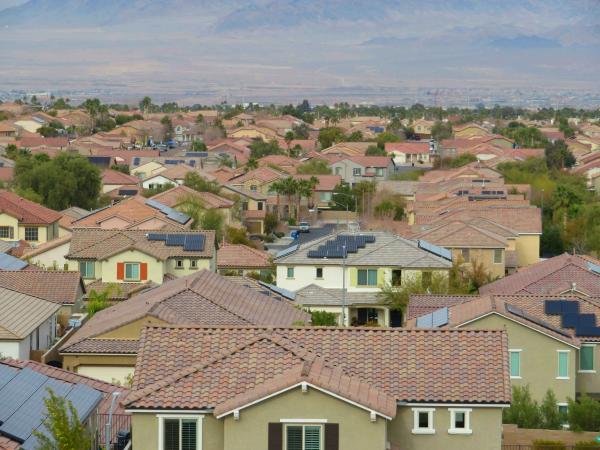
As California leads the country in a shift towards more sustainable energy generation sources with electrification playing a massive role, what are the technological, social, policy, and economic barriers to electrification on a community scale? How can electrification impact and benefit disadvantaged communities? Previous studies on full neighborhood electrification and decarbonization have attempted to answer these questions but have never fully characterized the effects and interactions between gas and electric systems.
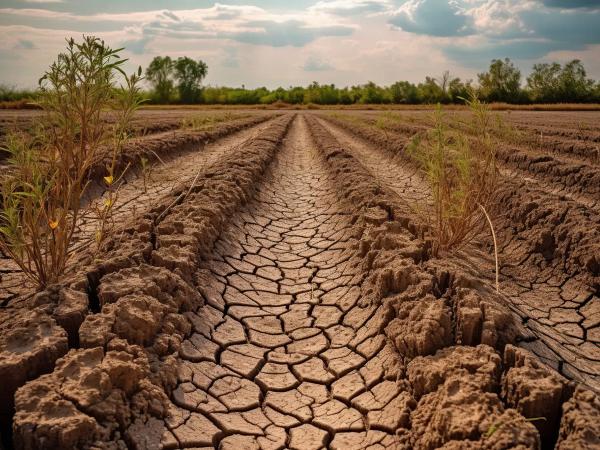
Groundwater is a critical water source for agriculture in hyper-arid regions, but increasing irrigation often depletes it faster than it can be replenished. This project will create an accessible, reproducible workflow using satellite data to analyze how agricultural water use relates to groundwater decline, helping researchers and decision-makers support more sustainable water management.
Urban watersheds face ongoing pollution challenges, especially from urban runoff. Heal the Bay is a Los Angeles-based organization that has been monitoring water quality at local beaches for decades, and expanded their efforts to Los Angeles (LA) County rivers in the last ten years. Our group’s objectives are to analyze the last ten years of water quality data from Heal the Bay’s monitoring programs to investigate the water quality in areas where stormwater capture projects have been implemented.
France’s vineyards are increasingly threatened by climate change and disease, leading to long-term losses of grapevines. This project will use high-resolution geospatial data to identify and measure missing vines, providing a scalable and reproducible approach to support vineyard monitoring and long-term management decisions.
Liberia's waters face overfishing from foreign fleets, harming local ecosystems and fishers despite government profits. This project explores how limiting trawling could impact fish stocks and income, helping policymakers balance ecological and economic needs.
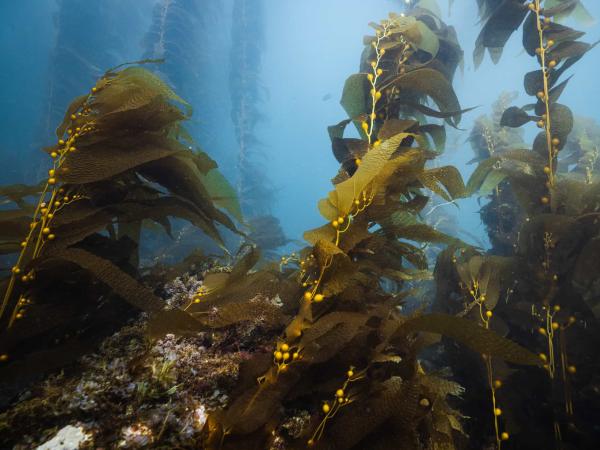
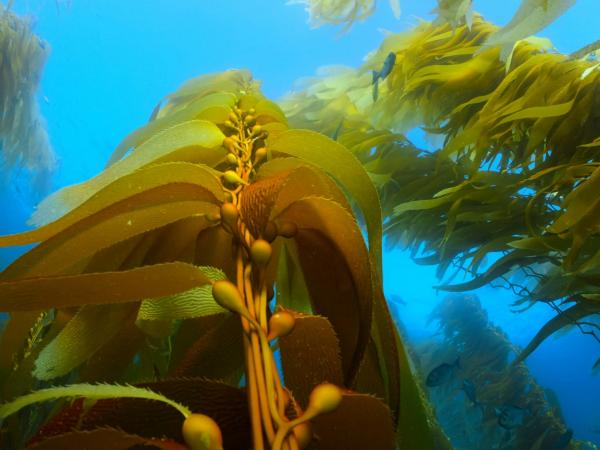
This project enhances marine conservation by standardizing habitat analysis within California’s Marine Protected Areas (MPAs) using spatial data and remote sensing. By creating detailed habitat maps and statistical comparisons, it provides crucial insights for researchers and policymakers evaluating the effectiveness of the MPA network.
This project enhances industrial decarbonization research by integrating greenhouse gas emissions and economic adjustments into the Industrial Assessment Centers (IAC) database. By developing a user-friendly interface with advanced visualization tools, it streamlines data access and supports more effective energy efficiency and emissions reduction strategies.
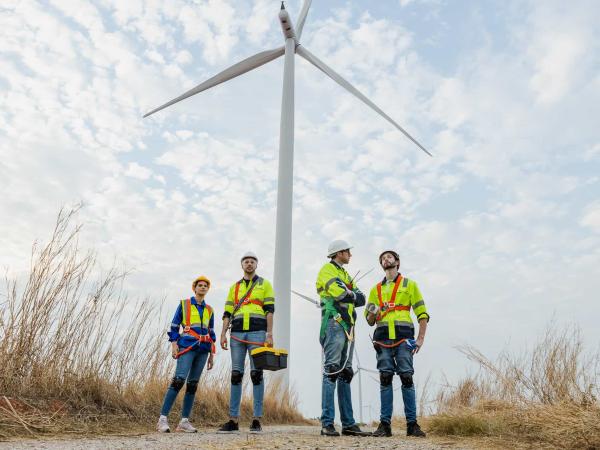
This project maps the shifting energy job landscape on California’s Central Coast as offshore wind development accelerates. By visualizing job gains and losses, it empowers labor, environmental, and community groups to advocate for a just transition to clean energy.
MESM 2025 Group Project: Safety and sustainability assessment of pyrolyzed biochar produced from wastewater treatment plant biosolids for agricultural applications
This project enhances California’s water data portal by assessing data quality, accessibility, and usability for improved drought management. Through gap analysis and automated visualization tools, it empowers water managers with actionable insights to better predict and respond to water shortages.
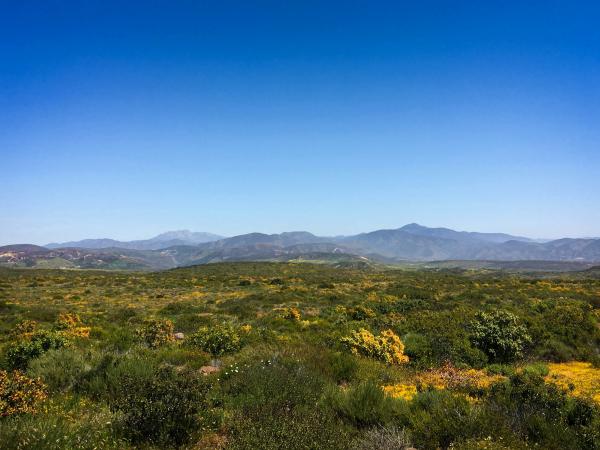
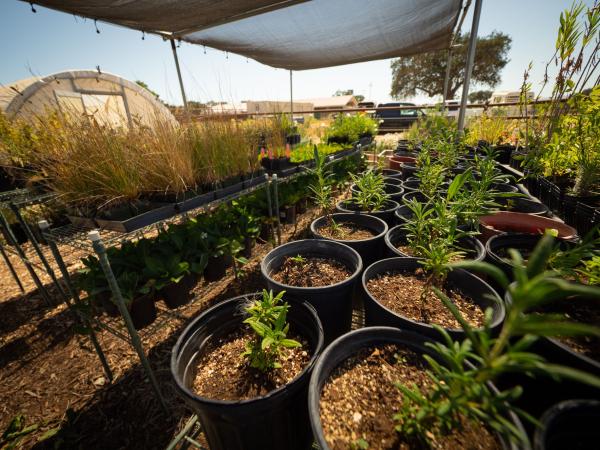
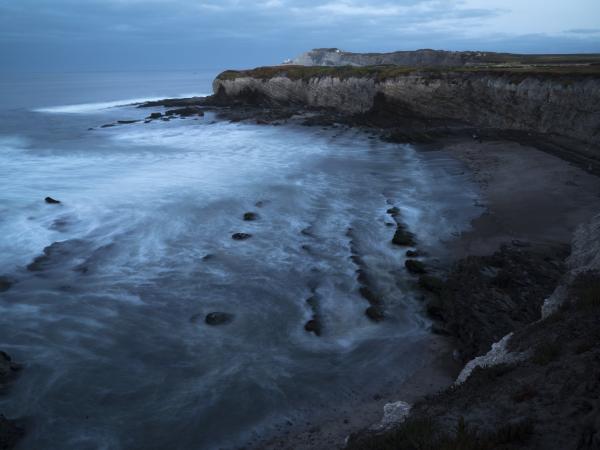
This project examines how Point Conception, a major biogeographic barrier, influences the range shifts of intertidal species in response to climate change. Using long-term ecological survey data and environmental projections, it will map species range edges and develop an interactive dashboard to support conservation efforts at The Nature Conservancy’s Dangermond Preserve.
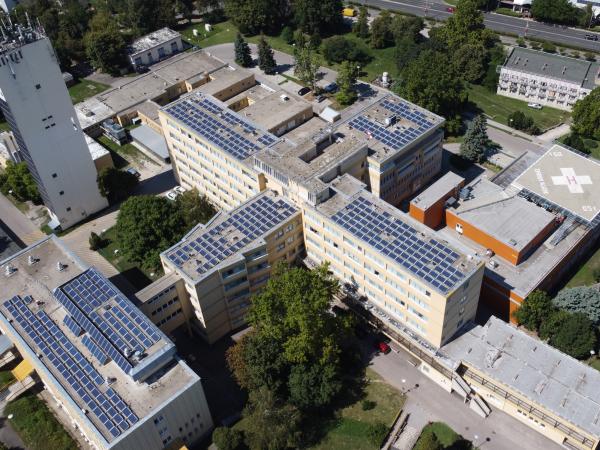
MESM 2025 Group Project: Cost-Benefit Analysis Tools for Federally Qualified Health Centers Considering On-Site Solar Installation: A Healthcare Equity Project
MESM 2025 Eco-Entrepreneurship Project: Develop a product/service that accelerates coral bleaching prevention through the diving community, raising awareness and adding value to the diving experience