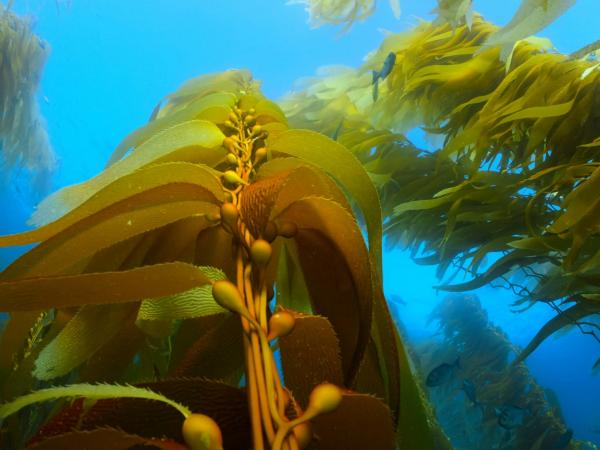
This project examines how Point Conception, a major biogeographic barrier, influences the range shifts of intertidal species in response to climate change. Using long-term ecological survey data and environmental projections, it will map species range edges and develop an interactive dashboard to support conservation efforts at The Nature Conservancy’s Dangermond Preserve.
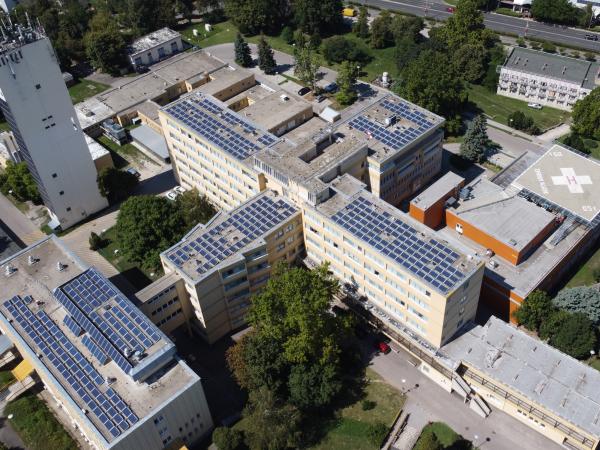
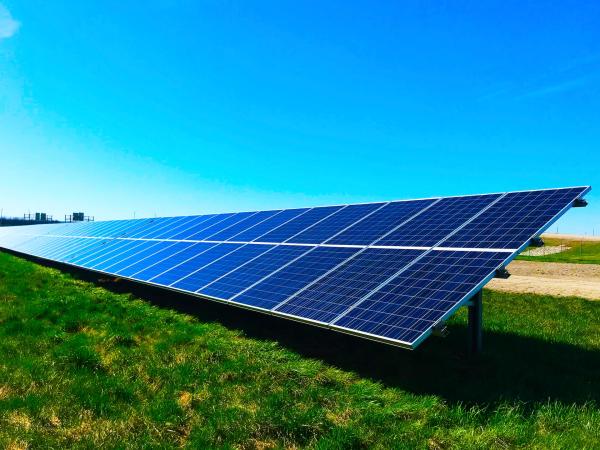
MESM 2025 Group Project: Cost-Benefit Analysis Tools for Federally Qualified Health Centers Considering On-Site Solar Installation: A Healthcare Equity Project
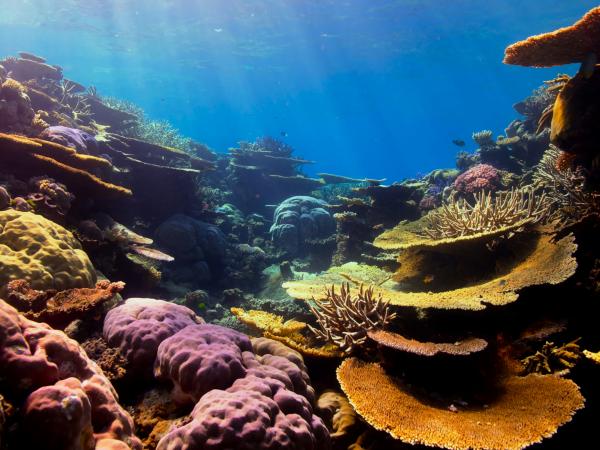
MESM 2025 Eco-Entrepreneurship Project: Develop a product/service that accelerates coral bleaching prevention through the diving community, raising awareness and adding value to the diving experience
Palm fronds, common in Southern California, don’t decompose easily and overcrowd landfills. This project aims to convert palm waste into biochar to reduce landfill use, improve soil health, and sequester carbon, supporting regional waste management efforts.
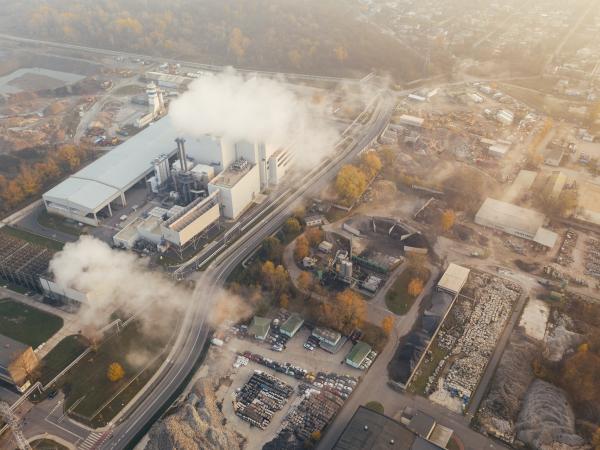
This project developed a policy evaluation tool to assess emissions and model reductions from federal decarbonization efforts. The open-source tool helps policymakers target high-impact interventions for industrial emissions reduction, particularly in disadvantaged communities.
Green Credit addresses rising electricity costs for low-income Californians through a community solar subscription platform. The project connects residents to solar farms, provides education, and advocates for policies, making affordable renewable energy more accessible.
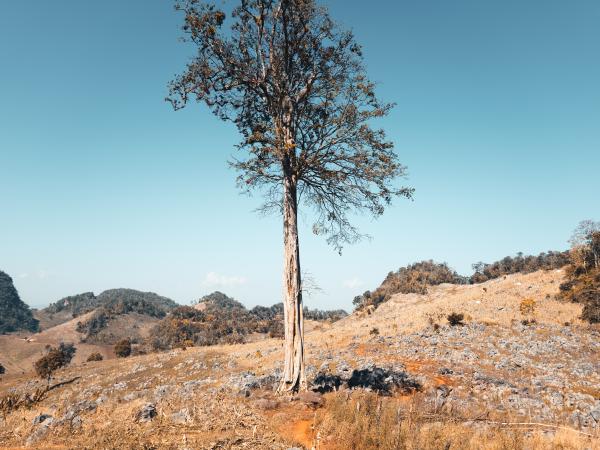
Forests cover approximately 30% of Earth's land surface, absorb more carbon than all other terrestrial ecosystems, and provide trillions of dollars’ worth of ecosystem services (Food and Agriculture Organization of the United Nations, 2005). However, climate change-induced droughts pose a significant threat to these vital ecosystems. As climate change intensifies, it is critical for our planning and management that we understand how and where trees will be the most threatened. Previous research has examined the effects of these droughts on forests at a global scale, but these large-scale analyses are not particularly helpful for land managers that often focus on specific regions and only a limited number of species. Our project addresses this gap by assessing species-specific sensitivity to increasingly severe and frequent droughts, considering the variations within their ranges.
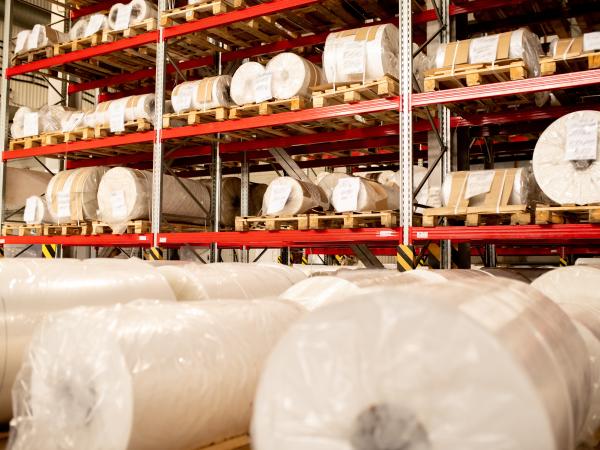
Consumer demand for sustainable products is increasingly driving companies to consider the life-cycle carbon emissions of products being sold. Darn Tough, a Vermont-based sock manufacturer, aims to continue their reputation of environmental stewardship through aligning its operations with the 2030 carbon mitigation target set by its largest retailer, Recreational Equipment, Inc. (REI). This project streamlines the calculation process with an improved computational method and builds an interactive visualization dashboard that allows the company to calculate yearly emissions and analyze the potential GHG impacts of changes in different fiber types for sock manufacturing.