Projects
Year
Image
Flock of birds at sunset in front of mountains

Mind the GAP: Avian responses to conservation investments in California

California’s 30×30 initiative aims to protect biodiversity, but decision-makers need better evidence to guide conservation investments. This project will use bird observation data to compare biodiversity trends in protected and unprotected areas, helping inform more effective conservation strategies across the state.

Group Members: Nathalie Bonnet, Peter Vitale, Isabella Segarra

Faculty Advisors: Christina Tague

Clients: Point Blue Conservation Science

Image
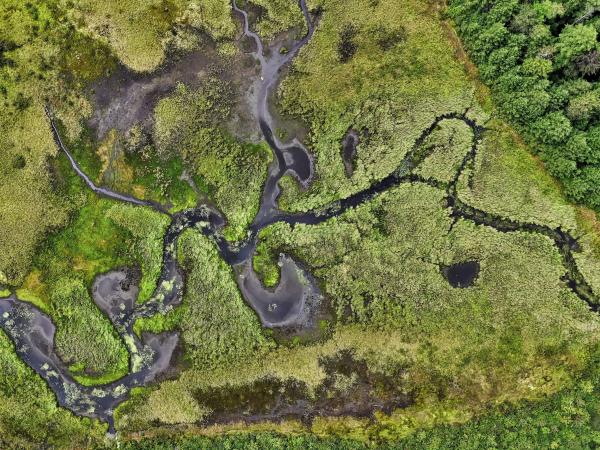
Aerial view of a river winding through a green scene with trees and grass

Addressing Centuries of Heavy Metal Pollution: Understanding the Human Health Crisis of the Pilcomayo River Basin

For over 450 years, Pilcomayo river basin has been heavily contaminated by mining waste originating from the Potosí region, including toxic heavy metals and acidic byproducts. Advanced Minerals Technology S. Korea, Inc. (AMTSK) is taking a dual approach to address the contamination issue: environmental remediation and treatment of affected populations.

Group Members: Abbey Guilliat, Elijah Khan, Jackson Mills, Katerina Bischel, Nadav Kempinski

Faculty Advisors: Arturo Keller

Clients: Advanced Minerals Technology South Korea, Inc.

Image
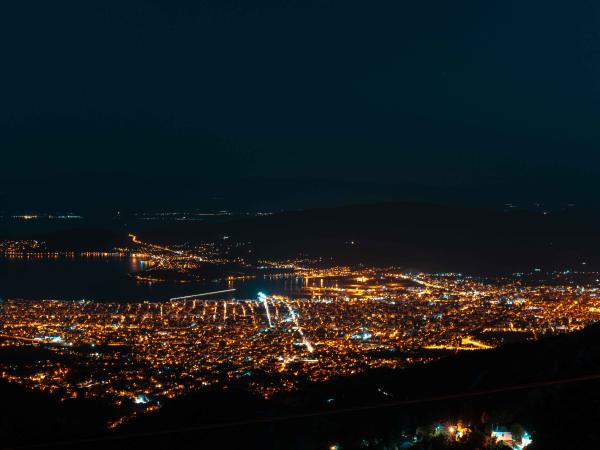
Aerial photo of a city near water at night time illuminated with lights

How to Achieve Existing Building Electrification in the City of Santa Barbara by 2035. A Road Map to Eliminating Natural Gas Emissions from Santa Barbara’s Residential Sector

The City of Santa Barbara has adopted an aspirational climate goal to achieve carbon neutrality by 2035. Decreasing natural gas use would reduce the City’s overall emissions; thus, converting existing residential buildings to all-electric systems would bring the City closer to carbon neutrality. To assess the feasibility of different electrification options, this project will review best practices from residential buildings' electrification in other jurisdictions. Furthermore, the project will create an economic model to calculate greenhouse gas reductions and the lifetime financial savings from electrification.

Group Members: Alon Robbins, Karlie Hayes, Nolan Mitschke

Faculty Advisors: Matt Potoski

Clients: City of Santa Barbara

Image
Aerial view of a field that is plowed and brown and some is green still.

Developing a Regional Restoration Plan for the Central San Joaquin Valley

This project is a partnership between UC Santa Barbara’s Bren School of Environmental Science and Management and Sequoia Riverlands Trust (SRT) to create a regional restoration plan for the central San Joaquin Valley.

Group Members: Elizabeth Weathers, Jimmy Benjamin, Rebeca Adam, Sara Soroka, Sneha Kumar

Faculty Advisors: Jayajit Chakraborty

Clients: Sequoia Riverlands Trust

Image
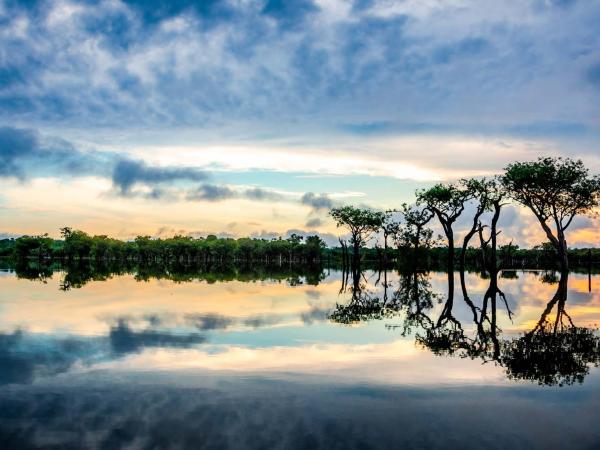
Lake with reflection of trees at dusk or blue hour.

Assessing Climate Risks to Indigenous Peoples & Local Communities and the Nature within their Territories

While the crucial role of Indigenous peoples and local communities (IPs & LCs) and their territories in realizing global climate and conservation goals is well established, a significant gap exists in scientific knowledge in terms of the current and future implications of a changing climate on IPs’ & LCs’ territories. The newly established Global Indigenous Peoples and Local Communities Center at Conservation International seeks to work with and for IPs & LCs to enhance the climate resiliency of these communities and their territories. As part of this effort, this project aims to understand the current and future impact of climate change on IPs & LCs and the biodiversity and carbon within their territories. Based on this understanding, the project team will identify strategies and actions that can be implemented to increase climate resiliency of IPs’ & LCs’ territories.

Group Members: Bella Pucker, Garrett Craig, Isa Elias, Justin Gutierrez, Jackson Coldiron

Faculty Advisors: Bruce Kendall

Clients: Conservation International, Global Indigenous Peoples and Local Communities Center

Image
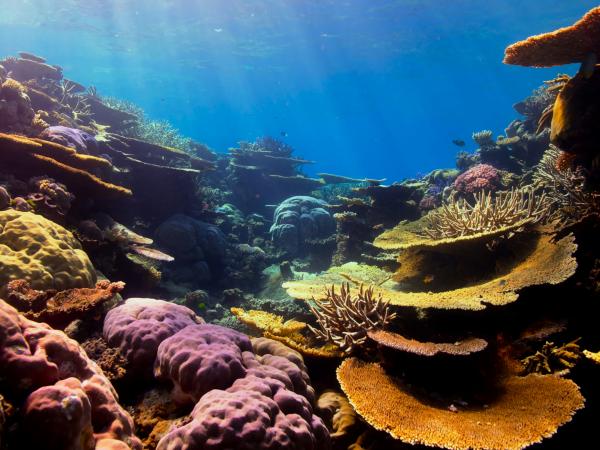
Coral reef with different colored corals.

ResiliReefs: Mobile Coral Restoration Labs for Coral Reef Restoration Organizations to Scale Up Operational Capacity and Impact (Eco-E)

MESM 2025 Eco-Entrepreneurship Project: Develop a product/service that accelerates coral bleaching prevention through the diving community, raising awareness and adding value to the diving experience

Group Members: Camille Kaczmar, Samantha Mislinski, Zoe Zhou

Faculty Advisors: Steve Gaines, Emily Cotter

Image
Woman holding a tablet with statistics data on the screen

ScopeWise: A Platform for Supply Chain Sustainability and Scope 3 Emissions Tracking (Eco-E)

MESM 2025 Eco-Entrepreneurship Project: A standardized data collection tool for sustainability reporting of Scope 3 emissions

Group Members: Lawrence Angelo (Rence) Balitaan, Jacob (Jake) Cosmo, Jacques Rebibo, Chelsea Sanford

Faculty Advisors: Charles Kolstad, Kyle Meng, Emily Cotter

Image
Green palm fronds

Lost and Frond: Producing a Carbon-Rich Biochar Through the Pyrolysis of Palm Frond Waste (Eco-E)

Palm fronds, common in Southern California, don’t decompose easily and overcrowd landfills. This project aims to convert palm waste into biochar to reduce landfill use, improve soil health, and sequester carbon, supporting regional waste management efforts.

Group Members: Lilli Bennett, Isabelle (Izzy) Coiro, Anna Perko, Michael Roysner

Faculty Advisors: Emily Cotter

Image
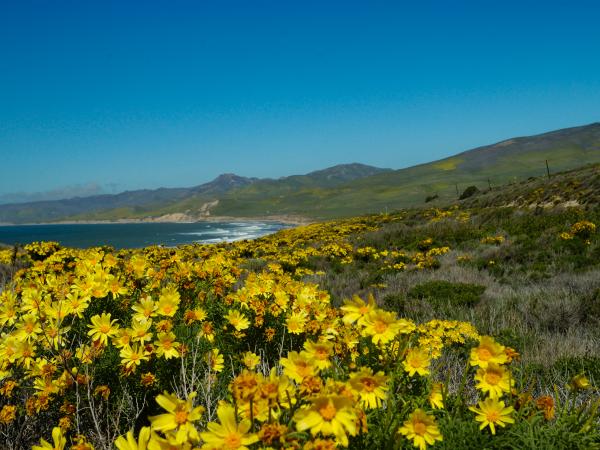
coreopsis along the California coast

Evaluating Ecological Conservation Gaps Across a Proposed Sentinel Landscape

MESM 2025 Group Project: Exploring High-Impact Regional Habitat Connectivity Projects in Support of a Sentinel Landscape Partnership Designation at Vandenberg Space Force Base

Group Members: Thuy-Tien Bui, Madison Calbert, Andrew Palacios, Natalie Smith, Priscilla Ta

Faculty Advisors: Ruth Oliver

Clients: LegacyWorks Group

Image
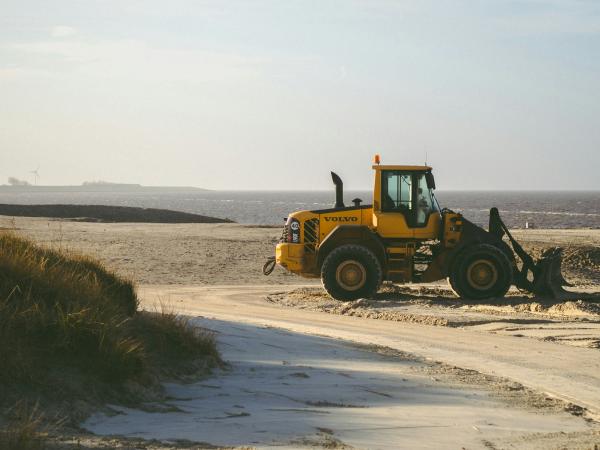
Yellow tractor on a sunny beach

Finding Balance in Our Managed Beaches: Policy Recommendations to Mitigate Emergency Sediment Disposal Impacts in Santa Barbara County

MESM 2025 Group Project: Finding Balance in Our Urbanized Watersheds - Policy Recommendations for Alternative Emergency Debris Management Actions in Santa Barbara County

Group Members: Letty Aguilar, John (Tali) Cook, Roxana Lagunas, Sophia Lecuona, Janiece Luu

Faculty Advisors: Patricia Holden

Clients: Santa Barbara Channelkeeper

Image
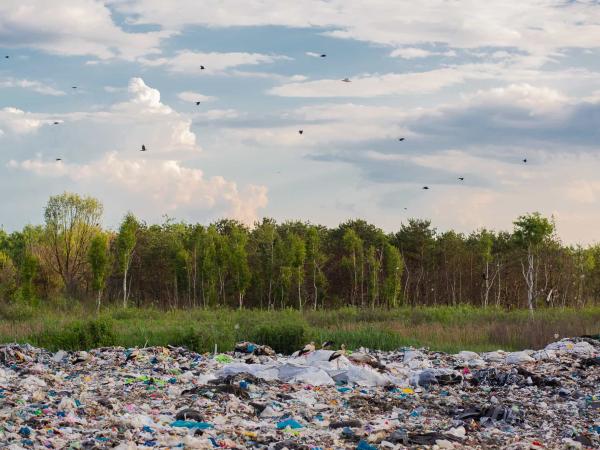
Large garbage dump against the backdrop of the forest, the landfill pollutes the environment

Identifying Disadvantaged Communities Using Cumulative Environmental Burdens

This project enhances the Climate and Economic Justice Screening Tool (CEJST) by incorporating cumulative climate and environmental burdens, ensuring more equitable investment in the most at-risk communities. Using advanced geospatial analysis, it refines how disadvantaged areas are identified, strengthening the impact of the Justice40 initiative.

Group Members: Kat Le, Haylee Oyler, Josephine Cardelle, Kimberlee Wong

Faculty Advisors: Jayajit Chakraborty

Clients: Jayajit Chakraborty, UCSB Bren School

Image
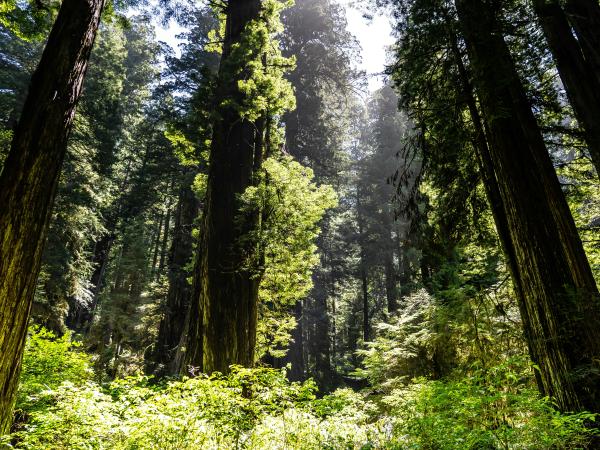
Redwood forest with tall trees and lower shrubs

Evaluating the Biodiversity Implications of Nature-Based Carbon Credits

This project evaluates nature-based carbon credits for their biodiversity impact. In collaboration with Carbon Direct, the team aims to guide buyers on selecting credits that benefit ecosystems, using data analysis and case studies of Indigenous and conservation efforts.

Group Members: Sophie Bartley, Dana Cohen-Kaplan, Jackson Hayes, Anissa Stull, Kelsey Warren

Faculty Advisors: Andrew MacDonald

Clients: Carbon Direct

Image
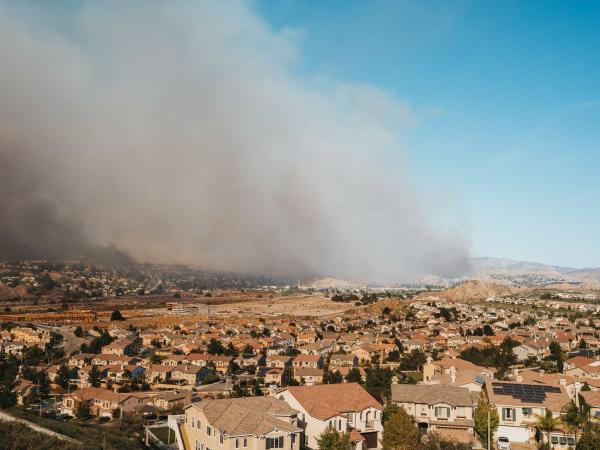
Wildfire in Valencia, Newhall, Santa Clarita area

Remote Sensing of Defensible Space Compliance to Enhance Wildfire Preparedness

To enhance wildfire preparedness, this project develops a machine learning tool that predicts defensible space compliance using remote sensing imagery. By streamlining inspections for the Santa Barbara County Fire Department, it enables more efficient resource allocation and real-time monitoring of wildfire risk.

Group Members: Joshua Paul Cohen, Ryan Green, Rachel Swick, Leilanie Rubinstein

Faculty Advisors: Mark Buntaine

Clients: Mark Buntaine, UCSB Bren School, Sarah Anderson, UCSB Bren School, Cesar Martinez-Alvarez, UCSB Political Science

Image
Mountain with blue sky and yellowing trees and grass in front of it in Colorado.

Integrating Climate Adaptation Strategies into Local Collaborative Forest Management in Northern Colorado

MESM 2025 Group Project: Integrating Climate Adaptation Strategies into Local Collaborative Forest Management in Northern Colorado

Group Members: Olivia (Liv) Hemond, Steven Mitchell, Maxwell Pepperdine, Nicole Rosen, Izzy Sofio

Faculty Advisors: Joan Dudney

Clients: The Nature Conservancy

Image
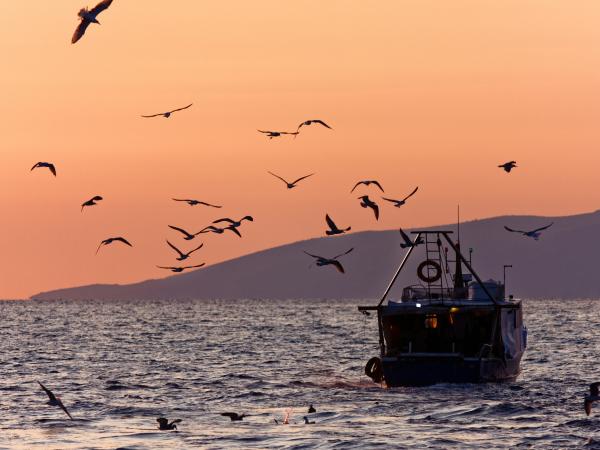
Fisherman boat on the sea with birds behind during sunset

Quantifying Greenhouse Gas (GHG) Emissions Associated with Global Seafood Production

This project harnesses high-resolution satellite data to uncover the greenhouse gas emissions of global fisheries, a major yet understudied contributor to climate change. By building an open-source data pipeline and interactive dashboard, it provides actionable insights for research, policy, and market-based strategies to reduce emissions at scale.

Group Members: Stephen Carroll, Carmen Hoyt, Joshua Mull, Nicole Pepper

Faculty Advisors: Gavin McDonald

Clients: UCSB Environmental Markets Lab (emLab), Global Fishing Watch

Image
Fishing boat on the water with a sunset behind it and birds flying around the boat.

A Bioeconomic Evaluation of Distant Water Fishing Management Strategies in Liberia

Liberia's waters face overfishing from foreign fleets, harming local ecosystems and fishers despite government profits. This project explores how limiting trawling could impact fish stocks and income, helping policymakers balance ecological and economic needs.

Group Members: Mara Booth, Taylor Cook, Dustin Duncan, Abigail Kirk, Maddie Whitman

Clients: Conservation International, Center for Oceans (Liberia)

Image
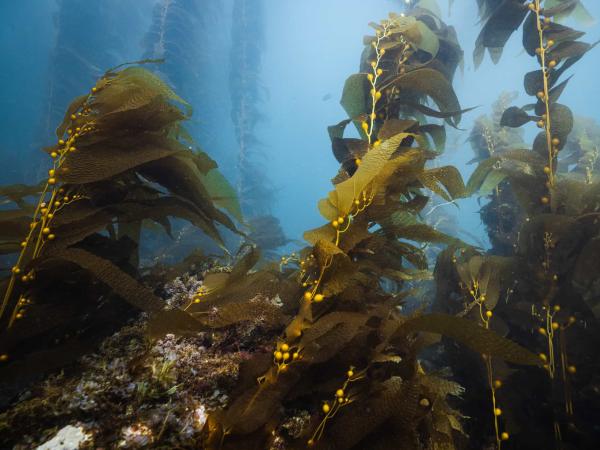
Beautiful shot of underwater nature

Evaluating the protection of diverse and representative coastal and marine habitats within California’s Marine Protected Area (MPA) network

This project enhances marine conservation by standardizing habitat analysis within California’s Marine Protected Areas (MPAs) using spatial data and remote sensing. By creating detailed habitat maps and statistical comparisons, it provides crucial insights for researchers and policymakers evaluating the effectiveness of the MPA network.

Group Members: Madison Enda, Bailey Jorgensen, Michelle Yiv

Faculty Advisors: Samantha Stevenson-Karl

Clients: Cori Lopazanski, UCSB Bren School

Image
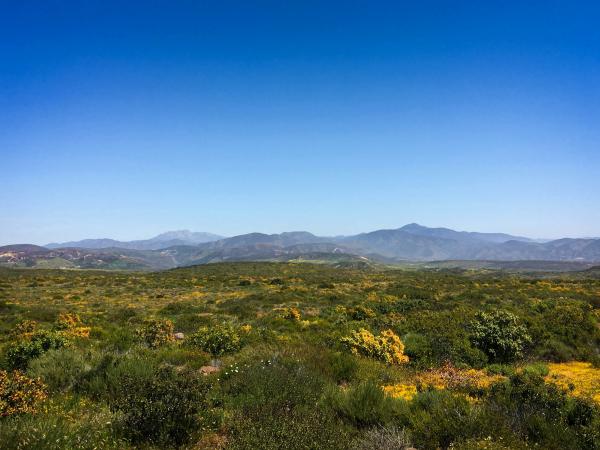
Mountains in the distance with a field of beautiful flowers and shrubs.

Land & Biodiversity Conservation Through Sustainable Enterprise Advancement in Baja California Sur, Mexico

2025 MESM Group Project: Rancho Encinalito: Land & Biodiversity Conservation Through Sustainable Enterprise Advancement in Baja California Sur, Mexico

Group Members: Sadie Armstrong, Julia Field, Samson Grunwald, Shivank Jhanji, Tatianna Suriel

Faculty Advisors: Christina Tague

Clients: Unión de Conservación Agua de la Sierra (UCAS)

Image
 Blue light industrial factory with chemical refinery and building material glowing light at night

Industrial Energy Efficiency Data Explorer: A Data-Driven Support Tool for Industrial Energy Modelers

This project enhances industrial decarbonization research by integrating greenhouse gas emissions and economic adjustments into the Industrial Assessment Centers (IAC) database. By developing a user-friendly interface with advanced visualization tools, it streamlines data access and supports more effective energy efficiency and emissions reduction strategies.

Group Members: Oksana Protsukha, Naomi Moraes, Eva Newby, Yos Ramirez

Faculty Advisors: Eric Masanet

Clients: Eric Masanet, UCSB Bren School

Image
Drone shot of surfers in the water

Surf Protected Areas: Bridging Conservation, Communities, and Sustainable Development, in Western Sumatra, Indonesia

2025 MESM Group Project: Conservation Gap Analysis and the Business Case for Protecting Surf Ecosystems

Group Members: Ryan Anderson, Manuela Díaz, Sofia Gutierrez, Miranda Scalzo, Emma Tao

Faculty Advisors: Hunter Lenihan

Clients: Conservation International Indonesia