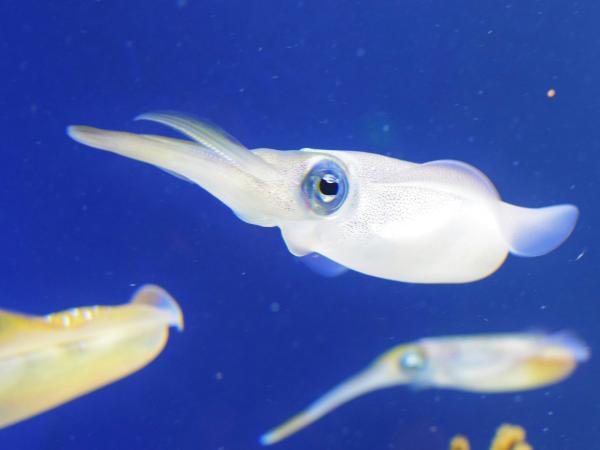
This project explores the potential to repurpose marine waste streams into sustainable, non-synthetic fertilizers or soil amendments for home gardeners and small-scale agriculture. Our initial business model centers on capturing and diverting marine waste before it is discarded, thus reducing environmental harm while creating a locally sourced, value-added product.
Wildfires are an increasing threat in the western U.S., and understanding community and ecosystem resilience is critical for reducing risk. This project will create an open-source tool that makes wildfire resilience data easier to access and use, helping researchers and practitioners support better preparedness and recovery.
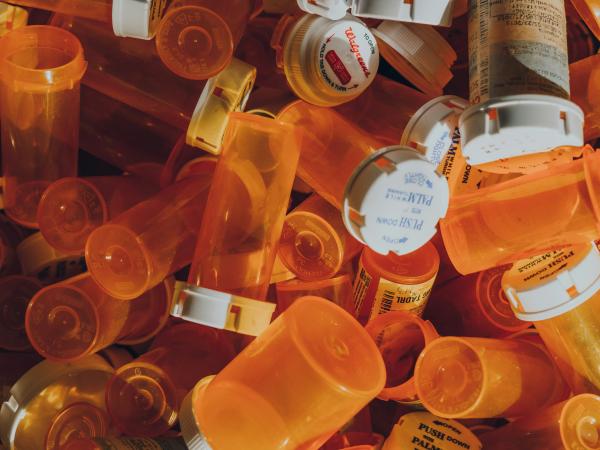
The U.S. healthcare industry generates approximately 6 million tons of waste annually, which is nearly equivalent to the country of India’s entire annual waste production. SustainRx aims to equip hospitals and healthcare providers with a centralized way to track, reduce, and manage medical waste without compromising patient safety. The project will help eliminate waste at its source using a centralized, data-driven platform that enables healthcare organizations to monitor procurement and disposal patterns, assess inefficiencies, and receive actionable waste reduction recommendations.
Environmental reviews in California rely on accurate species data, but current workflows are time-consuming and difficult to reproduce. This project will create an automated system that streamlines species data management, helping biologists make more consistent and effective conservation decisions.
The Chumash Heritage National Marine Sanctuary (CHNMS) is redeveloping its web presence and needs support in framing existing ecological research into clear, engaging content for general audiences. This project partners with CHNMS to create online science communication materials, including written content, that will make the sanctuary's work accessible and meaningful to the public on the NOAA National Marine Sanctuary website and social media accounts.
The project’s aim is to find a new, safe and sustainable alternative to the synthetic hair products sold in the beauty industry. Focusing on the intersection between public and environmental health, ReNew’s goal addresses the harms affecting the current consumer base, specifically Black and Black mixed-race women, girls and other femmes.
Hydropower is a key renewable energy source, but expanding it can harm rivers and ecosystems if not carefully planned. This project will estimate how much hydropower can be developed sustainably worldwide and share the results through an interactive tool to support climate and conservation goals.
The Solar and Storage Industries Institute (SI2), a nonprofit focused on expanding solar energy access, is seeking to identify and reach new donors and strategic partners. The project will deliver an audience analysis and marketing plan to help SI2 diversify its funding and grow its supporter base beyond its current reliance on federal and philanthropic grants.
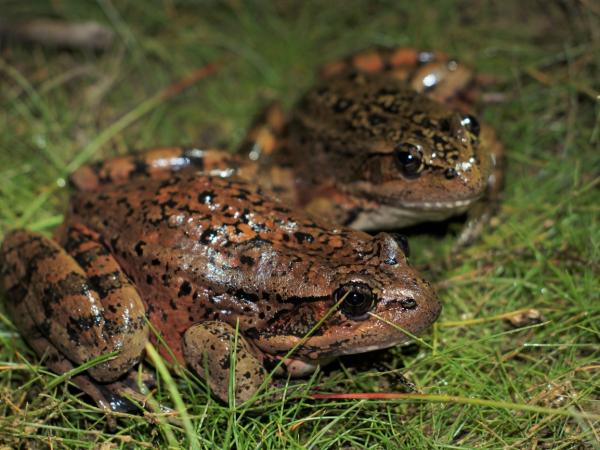
This project aims to evaluate the feasibility of CRLF reintroduction by assessing habitat suitability and identifying the physical, biological, and regulatory requirements for success. As part of this assessment, our team will collect on-farm data for a variety of variables, including pond water quality and surrounding vegetation and wildlife.
California’s 30×30 initiative aims to protect biodiversity, but decision-makers need better evidence to guide conservation investments. This project will use bird observation data to compare biodiversity trends in protected and unprotected areas, helping inform more effective conservation strategies across the state.
This capstone project works with Kearns & West to make its facilitation, mediation, and strategic communications work more visible to clients, partners, and broader public audiences. Through a fact sheet, a digital poster, and LinkedIn-ready storytelling content, it will show how collaborative process design can help agencies, communities, Tribes, and other stakeholders move towards more constructive conversations and practical action.
For over 450 years, Pilcomayo river basin has been heavily contaminated by mining waste originating from the Potosí region, including toxic heavy metals and acidic byproducts. Advanced Minerals Technology S. Korea, Inc. (AMTSK) is taking a dual approach to address the contamination issue: environmental remediation and treatment of affected populations.
The City of Santa Barbara has adopted an aspirational climate goal to achieve carbon neutrality by 2035. Decreasing natural gas use would reduce the City’s overall emissions; thus, converting existing residential buildings to all-electric systems would bring the City closer to carbon neutrality. To assess the feasibility of different electrification options, this project will review best practices from residential buildings' electrification in other jurisdictions. Furthermore, the project will create an economic model to calculate greenhouse gas reductions and the lifetime financial savings from electrification.
This project translates complex science about sediment movement in northern San Francisco Bay, with a focus on San Pablo and Suisun Bays, into an ArcGIS StoryMap. By presenting this science in a more accessible and engaging way, the project helps people understand how sediment supports wetlands, shoreline resilience, and restoration planning in a changing climate, while supporting broader application of the report’s findings in Bay management.
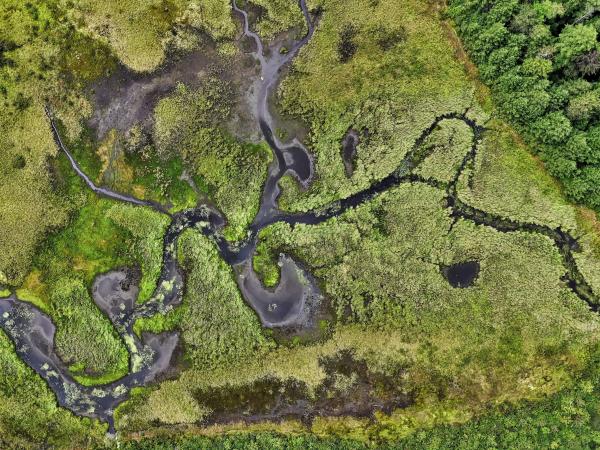
This project is a partnership between UC Santa Barbara’s Bren School of Environmental Science and Management and Sequoia Riverlands Trust (SRT) to create a regional restoration plan for the central San Joaquin Valley.