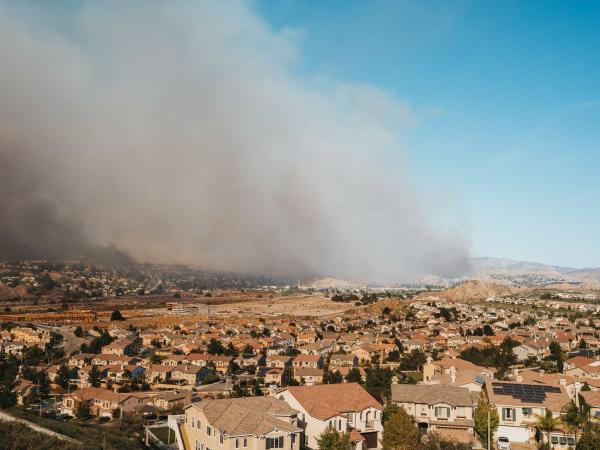
Wildfires are an increasing threat in the western U.S., and understanding community and ecosystem resilience is critical for reducing risk. This project will create an open-source tool that makes wildfire resilience data easier to access and use, helping researchers and practitioners support better preparedness and recovery.
The U.S. healthcare industry generates approximately 6 million tons of waste annually, which is nearly equivalent to the country of India’s entire annual waste production. SustainRx aims to equip hospitals and healthcare providers with a centralized way to track, reduce, and manage medical waste without compromising patient safety. The project will help eliminate waste at its source using a centralized, data-driven platform that enables healthcare organizations to monitor procurement and disposal patterns, assess inefficiencies, and receive actionable waste reduction recommendations.
Environmental reviews in California rely on accurate species data, but current workflows are time-consuming and difficult to reproduce. This project will create an automated system that streamlines species data management, helping biologists make more consistent and effective conservation decisions.
The project’s aim is to find a new, safe and sustainable alternative to the synthetic hair products sold in the beauty industry. Focusing on the intersection between public and environmental health, ReNew’s goal addresses the harms affecting the current consumer base, specifically Black and Black mixed-race women, girls and other femmes.
Hydropower is a key renewable energy source, but expanding it can harm rivers and ecosystems if not carefully planned. This project will estimate how much hydropower can be developed sustainably worldwide and share the results through an interactive tool to support climate and conservation goals.
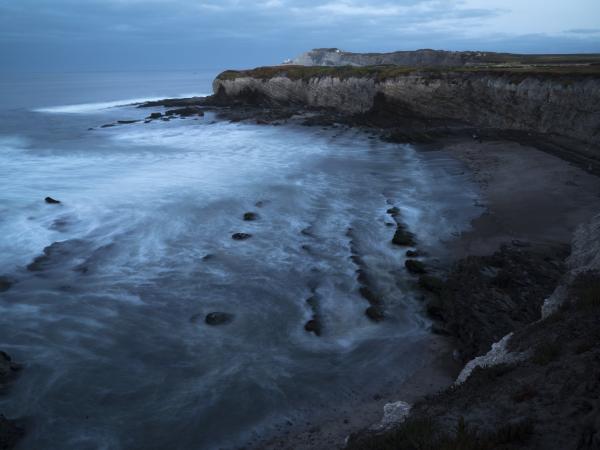
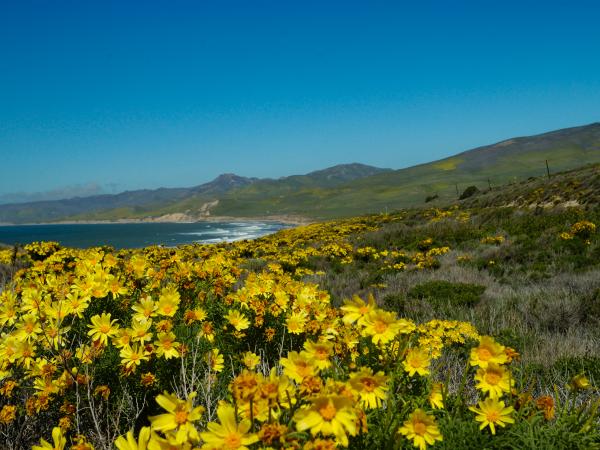
This project examines how Point Conception, a major biogeographic barrier, influences the range shifts of intertidal species in response to climate change. Using long-term ecological survey data and environmental projections, it will map species range edges and develop an interactive dashboard to support conservation efforts at The Nature Conservancy’s Dangermond Preserve.
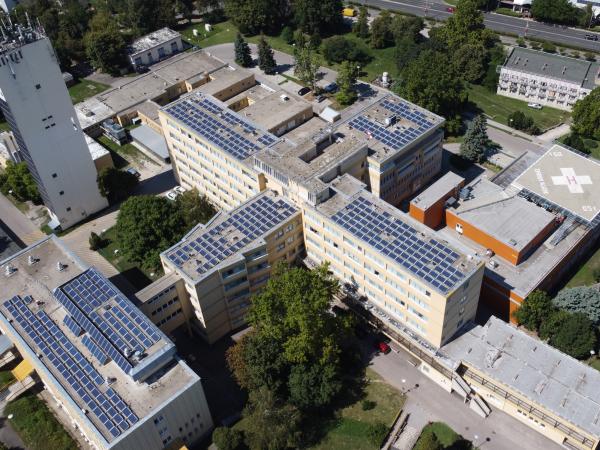
MESM 2025 Group Project: Cost-Benefit Analysis Tools for Federally Qualified Health Centers Considering On-Site Solar Installation: A Healthcare Equity Project
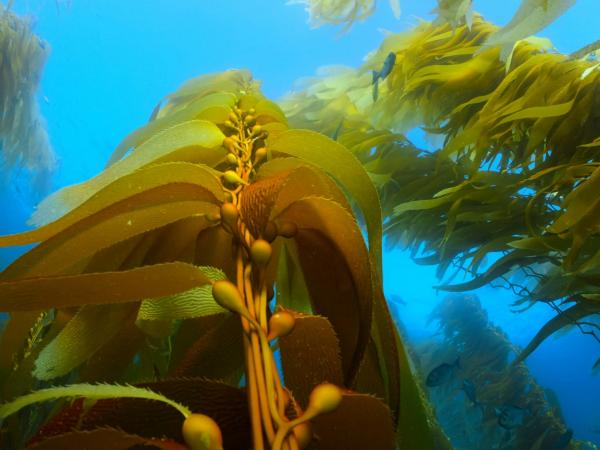
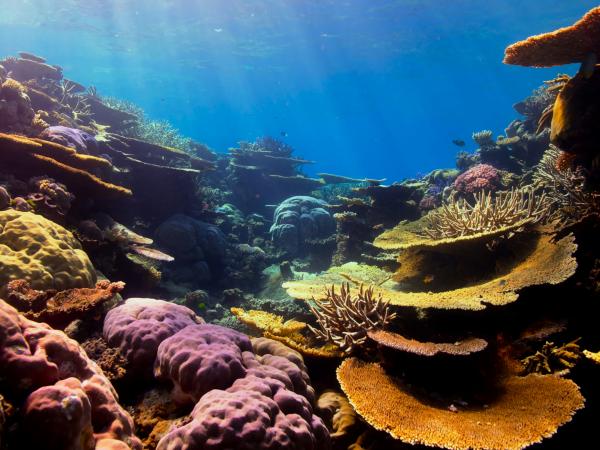
MESM 2025 Eco-Entrepreneurship Project: Develop a product/service that accelerates coral bleaching prevention through the diving community, raising awareness and adding value to the diving experience
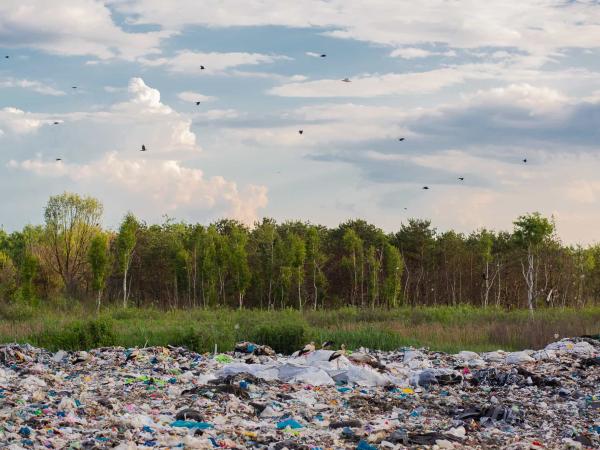
Palm fronds, common in Southern California, don’t decompose easily and overcrowd landfills. This project aims to convert palm waste into biochar to reduce landfill use, improve soil health, and sequester carbon, supporting regional waste management efforts.
MESM 2025 Group Project: Exploring High-Impact Regional Habitat Connectivity Projects in Support of a Sentinel Landscape Partnership Designation at Vandenberg Space Force Base
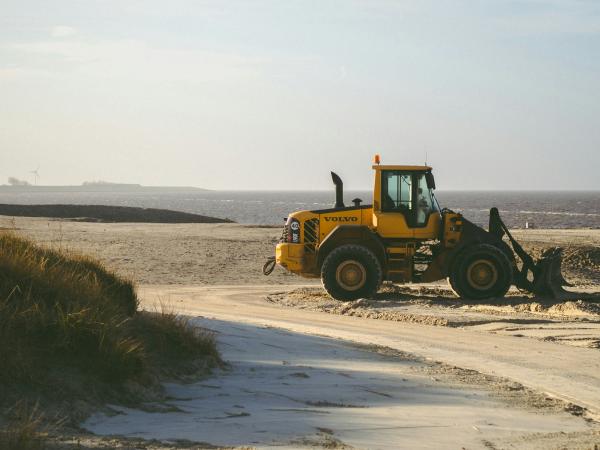
MESM 2025 Group Project: Finding Balance in Our Urbanized Watersheds - Policy Recommendations for Alternative Emergency Debris Management Actions in Santa Barbara County
This project enhances the Climate and Economic Justice Screening Tool (CEJST) by incorporating cumulative climate and environmental burdens, ensuring more equitable investment in the most at-risk communities. Using advanced geospatial analysis, it refines how disadvantaged areas are identified, strengthening the impact of the Justice40 initiative.
This project evaluates nature-based carbon credits for their biodiversity impact. In collaboration with Carbon Direct, the team aims to guide buyers on selecting credits that benefit ecosystems, using data analysis and case studies of Indigenous and conservation efforts.
To enhance wildfire preparedness, this project develops a machine learning tool that predicts defensible space compliance using remote sensing imagery. By streamlining inspections for the Santa Barbara County Fire Department, it enables more efficient resource allocation and real-time monitoring of wildfire risk.
This project harnesses high-resolution satellite data to uncover the greenhouse gas emissions of global fisheries, a major yet understudied contributor to climate change. By building an open-source data pipeline and interactive dashboard, it provides actionable insights for research, policy, and market-based strategies to reduce emissions at scale.